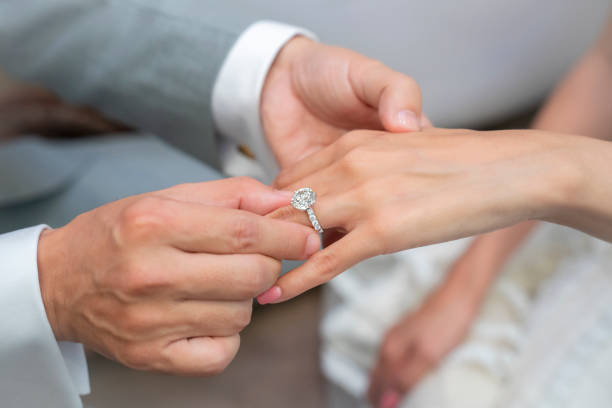
Determining how much to spend on an engagement ring is one of the first—and often most daunting—steps in the process of proposing. While there is no universal answer, understanding your financial situation, priorities, and expectations will help guide this decision. Below, we outline key considerations and strategies for determining a realistic budget for this important purchase.
The “Three-Month Salary Rule” – Fact or Fiction?
The traditional guideline that suggests spending three months’ salary on an engagement ring has become less relevant in today’s world. While it may have been a popular marketing narrative in the past, modern couples are more focused on aligning their expenditure with personal budgets and lifestyle goals rather than adhering to outdated benchmarks.
Instead of relying on hard-and-fast rules:
– Evaluate your current financial obligations (e.g., rent, student loans, or savings goals).
– Consider future expenses like wedding planning or buying a home together. – Discuss shared financial priorities with your partner if appropriate.
Factors That Will Shape Your Budget
- Your Income: Avoid overextending yourself financially. Choose a budget that feels manageable within your current earnings.
- Partner’s Expectations: It’s helpful to understand your partner’s preferences regarding diamond shapes, settings, and styles—it may influence how much you’re willing to spend.
- Ring Customization: A custom design can add value but also increase costs.
- Long-Term Financial Goals: Don’t lose sight of saving for other life milestones such as travel or investments.
Strategies for Setting a Realistic Budget
- Do Your Research: Familiarize yourself with average costs based on diamond size, quality (cut, clarity), and metal type (gold vs platinum). Use online tools and calculators for guidance.
- Look Beyond the Stone: The band material and design can significantly influence cost—consider balancing the choice of metal against the size/quality of the center stone.
- Stick to Priorities: Decide what matters most—stone size, quality grade (color/clarity), or craftsmanship—and adjust accordingly.
- Explore Alternatives: Lab-grown diamonds or gemstones like sapphires can provide stunning options at lower price points.
Sample Engagement Ring Budget Breakdown
| Expense Category | Approximate Cost ($) | Notes |
|---|---|---|
| Diamond/Center Stone | 3,000 – 6,000 | Based on carat weight & quality |
| Setting Material | 500 – 2,000 | Gold vs platinum |
| Craftsmanship/Labor | 300 – 1,000 | Custom designs may cost more |
| Additional Features | 200 – 800 | Accent stones or engravings |
Total cost could range from $4,000-$10,000+, depending on individual choices.
Making Smart Financing Decisions
If paying upfront isn’t feasible:
– Explore no-interest financing options offered by jewelers. – Start saving early by setting aside a portion of income each month. – Compare prices across retailers to ensure you’re getting value without sacrificing quality.
By considering these factors thoughtfully and aligning them with your unique circumstances, you’ll be able to set a realistic budget that balances sentimentality with financial responsibility.
Timeless Styles of Engagement Rings and Popular Designs
Selecting the perfect engagement ring is not just about price or material; it’s also about choosing a design that reflects the personality and style of the wearer. Over the years, many designs have gained popularity, while certain timeless styles remain a go-to for couples. Below is an overview of both trending and classic engagement ring designs to help you make an informed decision.
Timeless Diamond Ring Appraisal and Engagement Ring Styles
- A single diamond or gemstone takes center stage in this enduring design.
- Known for its minimalist charm, it focuses entirely on the brilliance of the stone.
-
Popular setting styles include prong, bezel, or tension settings.
- Features a central stone encircled by smaller diamonds or gemstones, creating a shimmering effect.
- The halo amplifies the size of the center stone, making it appear larger and more radiant.
-
Commonly paired with round, oval, or cushion-cut diamonds.
- Symbolizing past, present, and future in a relationship, this style includes one prominent center diamond flanked by two smaller stones.
-
Often designed with complementary diamond shapes for an elegant aesthetic.
- The band is encrusted with small diamonds closely set together to create continuous sparkle around the finger.
-
Perfect for those who appreciate intricacy while maintaining sophistication.
- Draws influence from Art Deco or Victorian eras with intricate patterns like filigree details or milgrain accents.
- These rings appeal to individuals seeking unique heirloom-quality pieces.
Essential Tips for Engagement Ring Appraisal and Modern Trends
-
A discreet halo underneath the main stone adds subtle sparkle without overshadowing minimalistic preferences.
-
Stones like emerald-cut or marquise are set horizontally rather than vertically for a trendy twist on traditional cuts.
-
Two-tone bands combine metals such as platinum with rose gold to create striking contrasts that stand out.
-
While diamonds remain dominant, sapphires (blue), emeralds (green), and rubies (red) are becoming increasingly sought after as vibrant central stones.
- Clean lines and geometric forms cater to lovers of modern aesthetics without excessive decoration.
Comparison Table: Traditional vs Modern Styles
| Feature | Traditional Styles | Modern Trends |
|---|---|---|
| Central Focus | Diamond brilliance | Unique personalization |
| Common Metal Choices | Platinum, White Gold | Rose Gold, Mixed Metals |
| Embellishments | Vintage detailing | Minimalist or abstract patterns |
| Gemstone Variety | Diamonds only | Diamonds plus colored gemstones |
How to Choose Your Ideal Style
- Consider your partner’s personal style — are they drawn to bold statements or understated elegance?
- Think about lifestyle — active individuals may prefer lower-profile settings like bezel rings that prevent snagging.
- Assess long-term appeal — some trend-based styles may feel dated over time compared to enduring classics.
- Factor in symbolism — certain elements (e.g., three-stone rings) carry specific meanings that resonate deeply with some couples.
Choosing an engagement ring is not only about aesthetics but also about creating something meaningful that resonates with your journey together as a couple.
What Factors Influence the Cost of an Engagement Ring
When purchasing an engagement ring, several factors determine its overall cost. Understanding these elements can help you make an informed decision and allocate your budget effectively. Below, we explore the key components that impact the price of an engagement ring.
The Four Cs: Diamond Quality
The quality of a diamond is primarily evaluated using the Four Cs: carat, cut, color, and clarity. Each of these characteristics contributes to both the appearance and cost of a stone.
- Carat: Refers to the weight of the diamond. Larger diamonds are rarer and significantly more expensive per carat.
- Cut: Impacts how well a diamond reflects light. A better-cut diamond will have superior brilliance and sparkle, often commanding a higher price.
- Color: Diamonds are graded on their colorlessness, with completely colorless stones being more valuable than those with noticeable hues.
- Clarity: Measures imperfections within or on the surface of a diamond. Flawless diamonds are exceptionally rare and therefore costlier.
| Clarity Grade | Description | Rarity |
|---|---|---|
| FL (Flawless) | No visible inclusions or blemishes under 10x magnification | Extremely Rare |
| VS1-VS2 | Very slight inclusions that are difficult to spot | Popular choice for quality vs cost |
| SI1-SI2 | Slight inclusions visible under magnification but not to naked eye | Budget-friendly |
Metal Type for the Band
- Platinum: Durable and hypoallergenic but one of the most expensive metals.
- Gold: Available in yellow, white, or rose gold, offering versatility across different budgets.
- Palladium: A lightweight alternative to platinum at a slightly lower price point.
Each metal has unique characteristics that can align with personal preferences while affecting costs.
Design Complexity
Custom-made rings or intricate designs typically increase costs due to additional labor and craftsmanship involved in their production. Simple solitaire settings tend to be more affordable compared to complex halo or vintage-inspired designs.
Stone Selection Beyond Diamonds
While diamonds are traditional for engagement rings, other gemstones like sapphires, emeralds, or moissanite can create stunning alternatives at varying price points. The rarity and durability of these stones play a role in determining their value.
Certification and Brand Name
Purchasing from renowned brands often carries a premium due to reputation and perceived quality assurance. Additionally, certified diamonds with grading reports from reputable institutions like GIA (Gemological Institute of America) or AGS (American Gem Society) may be priced higher than uncertified ones.
By understanding these key influencing factors—such as diamond characteristics, band materials, design intricacies, alternative stones, and certification—you’ll have greater clarity when determining what works best for your needs within your budget framework.
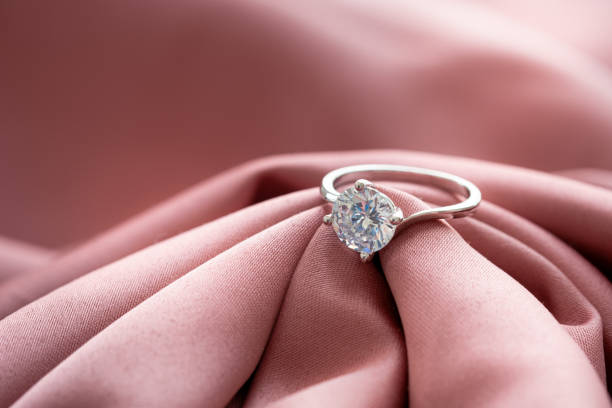
Natural Diamond vs. Lab-Grown Diamond: Choosing the Perfect Stone for Your Engagement Ring
Selecting the right diamond for your engagement ring is one of the most significant decisions you’ll make during the process. One of the key considerations is whether to choose a natural diamond or a lab-grown diamond. Both options have their unique benefits, and understanding their differences can help you make an informed choice.
What Is a Natural Diamond?
Natural diamonds are formed deep within the earth under intense heat and pressure over billions of years. They are mined from various locations worldwide and are cherished for their rarity and authenticity.
Key Characteristics of Natural Diamonds:
– Rarity: Each natural diamond is unique, often considered a symbol of timelessness and exclusivity.
– Value Retention: Due to their rarity, natural diamonds generally hold higher long-term value compared to lab-grown options.
– Environmental Impact: Mining processes can have significant environmental effects, though some companies are striving for more sustainable practices.
What Are Lab-Grown Diamonds?
Lab-grown diamonds, also known as synthetic or man-made diamonds, are created in controlled laboratory environments using advanced technology that replicates the conditions in which natural diamonds form.
Key Characteristics of Lab-Grown Diamonds:
– Affordability: Typically 20-30% less expensive than natural diamonds with comparable size and quality.
– Ethical Sourcing: Since they are grown in labs, they avoid many ethical concerns associated with mining practices such as conflict zones.
– Identical Composition: Chemically, physically, and optically identical to natural diamonds.
Comparing Natural vs. Lab-Grown Diamonds
| Feature | Natural Diamond | Lab-Grown Diamond |
|---|---|---|
| Formation | Formed naturally over billions of years | Created in weeks or months using technology |
| Cost | Higher due to rarity | More affordable |
| Environmental Impact | Mining may cause ecological harm | Lower environmental footprint |
| Rarity | Unique and rare | More readily available |
| Long-Term Value Retention | Generally holds value better | May depreciate faster |
Factors to Consider When Choosing
- Budget: If affordability is a priority without compromising on quality, lab-grown may be an excellent choice.
- Sentimental Value: Many buyers prefer natural diamonds for their symbolism and rarity.
- Sustainability Concerns: For those prioritizing eco-friendly options, lab-grown diamonds offer a compelling alternative.
- Resale Value: If resale potential matters to you, consider a natural diamond as it typically retains value better.
Final Thoughts on Making Your Decision
Whether you choose a natural or lab-grown diamond ultimately depends on your personal priorities—be it budget-consciousness, ethical considerations, or emotional significance attached to a rarer stone. Both types offer stunning beauty that can make your engagement ring truly memorable without compromising on brilliance or quality.
Busting Common Myths About Engagement Ring Costs and Spending
When it comes to engagement rings, there are many misconceptions and myths surrounding the cost and how much one should spend. These myths can lead to unnecessary financial stress or unrealistic expectations, but understanding the facts can help you make a more informed decision.
Myth 1: You Must Spend Three Months’ Salary
- There’s no fixed rule for how much you should spend. Your budget should depend on your personal financial situation, priorities, and values.
- Many people today are spending less than this outdated guideline while still purchasing high-quality rings.
- Consider allocating an amount that balances significance with practicality rather than adhering to arbitrary rules.
Myth 2: Bigger Is Always Better
- Cut quality: A well-cut diamond will sparkle brilliantly regardless of carat size.
- Clarity and color: These factors significantly impact a diamond’s appearance and value.
- Design and setting: A thoughtfully chosen ring design can enhance even a smaller-sized diamond.
Ultimately, what matters most is selecting a ring that matches your partner’s style and preferences rather than prioritizing size alone.
Myth 3: Diamonds Are Your Only Option
| Stone Type | Characteristics | Cost Comparison |
|---|---|---|
| Sapphires | Durable, available in various colors | Generally less costly |
| Emeralds | Vibrant green hue | May require extra care |
| Moissanite | Sparkles like diamonds | More budget-friendly |
Choosing an alternative gemstone allows couples to create unique designs while saving on costs without compromising on beauty.
Myth 4: Custom Rings Are Always Expensive
- Opting for simpler designs or smaller accents can reduce costs.
- Using heirloom stones from family jewelry instead of purchasing new ones adds sentimental value while cutting expenses.
- Lab-grown diamonds in custom settings offer both affordability and sustainability.
The key lies in communicating clearly with your jeweler about preferences and constraints.
Myth 5: Financing an Engagement Ring Is Always Necessary
- Avoid financing if it means taking on high-interest debt that could strain finances later.
- Set realistic savings goals ahead of time, giving yourself enough opportunity to purchase within budget.
- Explore affordable payment plans offered by jewelers if spreading out costs aligns better with your financial situation.
Remember—an engagement ring symbolizes love and commitment; its monetary value shouldn’t overshadow its meaning.
By dispelling these common myths about engagement ring spending, couples can focus on choosing meaningful options within their financial goals rather than succumbing to outdated ideas or societal pressures.
How to Get the Perfect Engagement Ring While Staying Within Budget
Finding the perfect engagement ring is an exciting milestone, but it can also present financial challenges. Striking a balance between creating a meaningful symbol of love and staying within your budget is essential. Here’s a guide to help you make informed decisions and secure an engagement ring that aligns with both sentimentality and practicality.
Set a Realistic Budget
Before you start shopping, determine a budget that reflects your financial situation. A common misconception is that you must spend three months’ salary on an engagement ring. However, this guideline is outdated and unnecessary. Instead: – Evaluate your current income, savings, and expenses. – Decide on an amount that feels comfortable without overstretching your finances. – Remember that meaningfulness isn’t determined by cost.
Prioritize What Matters Most
Knowing what elements matter most to you or your partner will help allocate funds wisely. Consider these factors: – Stone Type: Natural diamonds can be pricier than lab-grown alternatives. Other gemstones like sapphires or moissanite provide unique options at lower costs. – Cut Quality: The cut impacts the diamond’s sparkle more than size or carat weight. A well-cut stone in a smaller size often appears more brilliant than larger, poorly cut stones. – Ring Metal: Platinum is durable but costly; white gold or yellow gold may offer similar aesthetics at reduced prices.
Explore Cost-Saving Strategies
Smart shopping strategies can help you stay within budget while finding the perfect ring: 1. Choose Slightly Smaller Carat Weights: – Diamonds just under milestone weights (e.g., 0.9 carats instead of 1 carat) often appear nearly identical to the next size up but cost significantly less due to pricing structures. 2. Opt for Halo Settings: – Surrounding a smaller center stone with tiny diamonds creates the illusion of greater size without increasing costs substantially. 3. Focus on Diamond Shape: – Non-round shapes like oval, pear, or emerald cuts are usually less expensive per carat yet equally stunning.
Consider Custom Design Options
Designing a custom ring may sound expensive but can be surprisingly economical: – Work with jewelers who allow flexibility in selecting materials. – Start with simpler designs and upgrade features over time if desired. – Tailor details like band width, side stones, or prong style to meet both aesthetic preferences and financial goals.
| Budget Range | Ideal Options | Cost-Saving Tips |
|---|---|---|
| $1,000-$3,000 | Lab-grown diamonds / Moissanite | Focus on quality over carat weight |
| $3,000-$5,000 | Mid-range natural diamonds | Opt for solitaire settings |
| $5,000+ | High-quality natural diamonds | Invest in timeless styles |
Timing Your Purchase Wisely
Timing plays a crucial role in saving money when buying an engagement ring: – Look for discounts during holidays such as Valentine’s Day or Black Friday. – Shop for rings during non-peak seasons when demand is lower.
By understanding your priorities and using strategic approaches like those outlined above, you can find an exquisite engagement ring without overspending—turning this symbolic purchase into both a heartfelt and financially sustainable decision.
Discover the Crafting Process Behind Stunning and Unique Engagement Rings
The creation of a unique and captivating engagement ring is an intricate process that combines artistry, craftsmanship, and precision. Understanding how these treasured symbols of love come to life can make the experience of selecting or designing your ring even more meaningful. Below is a step-by-step look into the crafting process behind these stunning pieces.
1. Design Concept and Consultation
The journey toward creating a unique engagement ring begins with a design consultation. During this phase:
– Personal Preferences are Discussed: Clients share their preferences regarding metal type (e.g., platinum, gold), stone shape, and overall style (vintage, modern, or classic).
– Sketching the Design: Designers often create concept sketches or digital renderings to visualize the final piece. This ensures clarity on every detail before production begins.
– Customization Requests: Specific design elements such as engraving initials, intricate patterns, or using heirloom stones are incorporated during this stage.
2. Stone Selection and Cutting
Selecting the centerpiece stone greatly influences both cost and aesthetic appeal. Whether opting for a natural diamond or lab-grown diamond, attention is given to factors such as cut quality, color grade, clarity rating, and carat weight.
For traditional diamonds:
– A master gem cutter carefully shapes raw stones into specific cuts (e.g., round brilliant or princess).
– Attention to symmetry ensures light reflects optimally through facets for maximum brilliance.
For colored gemstones like sapphires or emeralds: – Special care is taken to preserve vivid hues while cutting away imperfections.
3. Stone Setting Creation
Stone setting plays a pivotal role in securing gemstones while enhancing their visual impact: – Prong Settings allow maximum light exposure for added brilliance. – Bezel Settings provide a sleek modern look while protecting edges of delicate stones. – More elaborate options like halo settings combine smaller pavé diamonds around central stones for added sparkle.
Craftsmen use high-powered microscopes during this step for meticulous precision—ensuring each stone fits snugly into its setting without risk of displacement over time.
4. Finishing Touches
Finally comes polishing and quality inspection: 1. The ring undergoes multiple rounds of polishing until it achieves an impeccable shine. 2. Engraving details such as dates or names may be added using laser technology. 3. Rigorous inspections assess durability, symmetry in design proportions alongside ensuring all stones are securely placed.
This comprehensive process transforms raw materials into heirloom-quality works-of-art cherished across generations—a true testament not only showcasing skill but emotional resonance behind every detail crafted uniquely tailored toward individual love stories embracing both sentimental & aesthetic perfection intertwined delicately together.
- How Engagement Ring Valuation Impacts Pricing and Its Importance
- Understanding Engagement Ring Valuation: How Much Should You Spend?
- Top Tips for Finding Stylish and Affordable Engagement Rings
- Diamond Ring Appraisal Guide: Understanding Diamond Prices and True Value
- A Comprehensive Guide to Diamond Ring Appraisal and Choosing the Perfect Engagement Ring
- A Comprehensive Guide for Modern Buyers: How Much Should Engagement Rings Really Cost
- How Much Should an Engagement Ring Really Cost? Breaking Tradition and Budgeting Tips
- A Comprehensive Guide to Engagement Ring Valuation and How Much You Should Spend