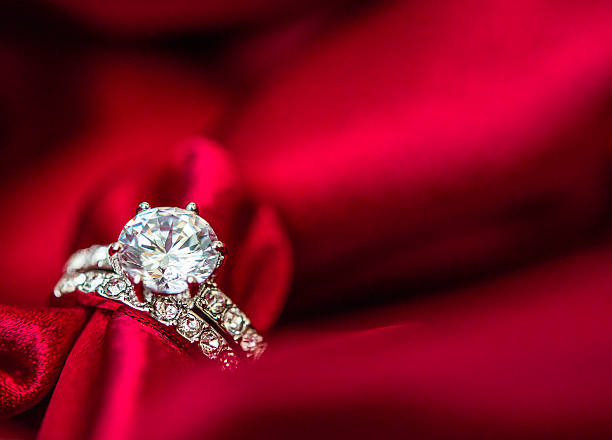
When shopping for a diamond engagement ring, understanding the cost of diamonds is crucial. Beyond these attributes, other considerations such as shape, certification, and market trends also significantly influence pricing.
Factors Affecting Diamond Prices
- Cut: The cut directly impacts how well a diamond reflects light. A well-cut diamond will appear more brilliant and often commands a higher price compared to diamonds with poor cuts.
- Color: Diamonds are graded on a color scale from D (colorless) to Z (noticeable yellow or brown tint).
- Carat WeightHowever, prices don’t increase linearly—they tend to rise exponentially with size.
-
Clarity: Clarity measures internal flaws (inclusions) or surface defects (blemishes). Flawless diamonds are extremely rare and expensive.
-
Diamond Shape
Shapes like round brilliant tend to be more expensive because they require more raw material during cutting and have high demand. Other shapes such as oval or cushion may offer better value while maintaining elegance. -
Certification
Diamonds certified by reputable organizations like GIA or AGS come with trustworthy grading reports but may cost slightly more than uncertified stones due to their verified quality. -
Market Demand & Rarity
Certain characteristics like high carat weights or fancy colors (e. g. , pink or blue diamonds) result in higher prices due to their rarity and desirability in the market.
Typical Price Ranges for Diamonds
| Carat Weight | Average Price Range (USD) | Notes |
|---|---|---|
| 0.50 | $1,000 – $3,500 | Affordable entry-level options |
| 1.00 | $4,000 – $15,000 | Most popular choice for engagement rings |
| 2.00 | $8,000 – $50,000 | Luxury option; depends on quality |
| 3+ | $20,000+ | Rare sizes; premium pricing applies |
Prices vary based on quality parameters even within similar carat weights.
Tips for Budget-Friendly Diamond Shopping
- Consider opting for slightly lower grades in color or clarity that appear flawless to the naked eye but cost significantly less.
- Choose non-traditional shapes like emerald or pear for better value.
- Purchase near critical weight thresholds (e. g. , 0. 9 carats instead of 1 carat), which can lower costs without sacrificing perceptible size.
By understanding these elements and establishing your priorities—be it size over clarity or cut over carat—you can make informed decisions tailored to your budget without compromising on beauty or quality in your diamond purchase.
Understanding the Price Range of Engagement Rings Based on Diamond Carat Size
The term “carat” refers to the weight of the diamond, with one carat equating to 200 milligrams. As carat size increases, so too does the price, but not always in a linear manner. Understanding these price variations can help you make an informed decision when selecting a diamond.
How Engagement Ring Appraisal Factors Into Carat Size and Price
Carat size directly correlates with the rarity of a diamond. However, pricing is not solely based on weight; other factors such as cut quality, clarity grade, and color also contribute to the overall cost.
For instance: – A poorly cut 2-carat diamond may cost less than a well-cut 1. 5-carat diamond because cut quality enhances sparkle and brilliance. – Two diamonds of equal carat weight can have vastly different prices if one has better clarity or color grading.
Typical Price Ranges by Carat Size
| Carat Weight | Approximate Price Range (USD) | Key Considerations |
|---|---|---|
| 0.25 Carats | $500 – $1,500 | Ideal for delicate designs or minimalist styles |
| 0.50 Carats | $1,000 – $3,500 | A popular choice for budget-conscious buyers |
| 1.00 Carats | $4,000 – $10,000 | Offers balance between size and affordability |
| 1.50 Carats | $6,500 – $20,000 | Larger presence without being overly expensive |
| 2.00+ Carats | $12,000+ | Premium pricing due to rarity and desirability |
Note: These ranges represent averages and can vary significantly based on quality factors like cut grade and certification.
Tips for Navigating Different Price Points
When exploring diamonds within your desired carat range: – Prioritize Cut Quality:A well-cut smaller stone often looks more brilliant than a larger poorly cut one.
Consider Slightly Lower Weights: Opting for slightly below key weights (e. g. , 0. 90 instead of 1-carat) can save money while achieving nearly identical visual impact.
Balance with Other Grades: A higher-grade clarity or color in a smaller stone may offer better overall beauty than compromising on these aspects for added weight.
Understanding Pricing Trends
Diamonds are priced per carat using an exponential scale rather than incrementally by weight. For example: – A single 2-carat diamond will typically cost more than two separate 1-carat diamonds combined. – Prices tend to spike at popular milestones (e. g. , 0. 50 or 1-carat), making slightly off-sized stones more economical options.
By carefully balancing your preferences and budget while focusing on overall quality rather than just size alone, you can find a stunning diamond that perfectly suits your needs without overspending.
Exploring the Price Range of Diamonds Based on Carat Size
Carat weight directly impacts the overall cost of a diamond, but it’s not as simple as larger diamonds being proportionally more expensive. Understanding how carat size affects pricing will help buyers make informed decisions that align with their budget and preferences.
How Carat Size Affects Price
While carat size refers to a diamond’s weight (1 carat equals 0. 2 grams), its influence on price is nonlinear. As the carat weight increases, prices tend to grow exponentially rather than linearly. This is largely due to the rarity of larger diamonds in nature.
For instance: – A 1-carat diamond will typically cost significantly less than a 2-carat diamond of similar quality, even though it isn’t double the size. – The value per carat increases as diamonds get larger, meaning a single 3-carat stone is worth significantly more than three individual 1-carat stones combined.
Average Price Ranges by Carat Weight
Below is an estimated breakdown of diamond prices based on popular carat sizes, assuming excellent cut, color (D-F), and clarity (VS1-VS2).
| Carat Size | Price Range (USD) | Notes |
|---|---|---|
| 0.25 carats | $500 – $1,500 | Ideal for simple and minimalist designs |
| 0.50 carats | $1,000 – $3,500 | A common choice for solitaire or halo settings |
| 1.00 carats | $4,000 – $10,000 | A classic option; offers noticeable brilliance |
| 2.00 carats | $10,000 – $30,000 | Rare and luxurious; often statement pieces |
| 3.00+ carats | $30,000+ | Exceptional rarity; highly customizable |
Note:These figures are approximate and can fluctuate based on factors such as certification source (e. g. , GIA or AGS), supply chain costs, and specific retailer markups.
Practical Tips for Budget-Conscious Buyers
If you’re working within a specific budget but still want to maximize the value of your purchase: – Consider Slightly Below Benchmark Weights:Diamonds just under major benchmark weights (e. g. , 0. 90ct instead of 1ct) offer substantial savings without sacrificing visible size.Focus on Cut Quality:A well-cut diamond will appear brighter and more brilliant regardless of its exact weight.Explore Lab-Grown Diamonds:These alternatives provide larger sizes at lower price points while maintaining identical visual properties.
Balancing Size With Quality
While it’s easy to focus solely on carat weight when shopping for diamonds, balancing other quality factors—such as cut grade or clarity—is essential for achieving optimal brilliance and beauty. A smaller diamond with exceptional cut quality may outshine a poorly cut larger stone despite differences in size.
Understanding how carat weight impacts pricing equips buyers with the knowledge needed to select a stunning engagement ring within their financial means while ensuring long-term satisfaction with their investment.
Understanding Engagement Ring Valuation: Natural Diamonds vs.
This choice can significantly impact not only your budget but also the story behind the gem you select. Below, we break down how these two types of diamonds compare in terms of cost and other key factors.
Price Differences: Natural vs.
Lab-grown diamonds typically cost 30-50% less than their natural counterparts, making them an attractive option for those looking to maximize value without compromising on beauty or quality.
| Carat Size | Natural Diamond (Approx. Price) | Lab-Grown Diamond (Approx. Price) |
|---|---|---|
| 0.5 carat | $1,000 – $2,500 | $500 – $1,200 |
| 1 carat | $4,000 – $10,000 | $2,000 – $5,000 |
| 2 carats | $12,000 – $25,000 | $6,000 – $12,500 |
| 3 carats | $30,000+ | $15,000+ |
It’s worth noting that these prices are influenced by factors such as diamond quality (cut, color, clarity) and market trends.
This process reduces production costs and eliminates the expenses related to mining.
- Shorter supply chain:No need for mining operations or extensive sourcing.
- Scalability:Laboratories can produce these stones on demand.
- Lower labor costs:Automated processes often replace manual labor.
Beyond Cost: Key Considerations for Each Option
Advantages of Natural Diamonds
- Uniqueness: Each natural diamond carries its own history and rarity.
- Long-term value: Natural stones may retain or increase in value over time.
- Cultural significance: Associated with tradition and exclusivity.
- Sustainability: A more environmentally friendly alternative to mined stones.
- Ethical sourcing: Avoids concerns related to conflict or “blood” diamonds.
- Availability: A wider range of high-quality options at lower price points.
Making Your Choice
Deciding between a natural diamond and a lab-grown option ultimately depends on your priorities—whether they lean toward tradition and rarity or sustainability and affordability. Both types offer stunning visual appeal and enduring beauty for engagement rings or other jewelry pieces.
However, if you’re seeking something timeless with potential long-term investment value or symbolic meaning tied to Earth’s history, a natural diamond may be worth the additional expense. Carefully weigh these factors alongside your personal preferences before making your purchase decision.
Comprehensive Diamond Price Chart for All Budgets and Preferences
When shopping for a diamond, it’s essential to have a clear understanding of pricing to ensure you find the best option that aligns with your budget and preferences. A clear price chart can help you navigate the complexities of diamond costs by breaking down prices based on key factors like carat weight, cut quality, color grade, and clarity. Below is a comprehensive guide to assist you in making an informed decision.
Key Factors That Impact Diamond Prices
- Cut Quality: Superior cuts enhance brilliance and can significantly increase a diamond’s value.
Diamond Price Chart
Below is an approximate price range for round brilliant diamonds at various carat weights based on mid-range quality grades (H Color and VS2 Clarity). Keep in mind that prices vary depending on market conditions and specific qualities.
| Carat Weight | Price Range (USD) | Notes |
|---|---|---|
| 0.25 | $300 – $800 | Ideal for subtle engagement rings. |
| 0.50 | $1,000 – $3,000 | Popular choice for smaller budgets. |
| 1.00 | $4,000 – $10,000 | Classic size offering great balance. |
| 1.50 | $8,000 – $18,000 | For those seeking more presence. |
| 2.00 | $15,000 – $35,000 | Luxurious option; highly coveted. |
Budget-Friendly Tips
- Consider Slightly Lower Grades: Opting for near-colorless diamonds (G-H grades) or diamonds with minor inclusions invisible to the naked eye can save costs without sacrificing beauty.
- Explore Lab-Grown Diamonds: Lab-grown options are often 20-40% less expensive while offering identical visual appeal.
- Choose Non-Traditional Shapes: Fancy cuts like oval, pear, or marquise tend to cost less per carat compared to round brilliant cuts.
- Focus on Cut Over Carat: A well-cut diamond will appear more brilliant than a larger stone with inferior cut quality.
How This Chart Can Help You Find Your Perfect Diamond
This chart provides an excellent starting point for creating alignment between your financial goals and aesthetic preferences when purchasing an engagement ring. By understanding how factors like size and quality influence pricing, you’ll be better equipped to choose a stunning piece that meets both expectations and value considerations without overspending.
A Beginner’s Guide to Choosing the Perfect Diamond Engagement Ring
Choosing the perfect diamond engagement ring can feel overwhelming, but with the right guidance, you can navigate this process confidently. This guide breaks down key considerations to help you make an informed and meaningful decision.
Understand Your Budget
Before you start shopping, determine how much you’re willing to spend.
- Set realistic expectations: Diamonds vary widely in price based on size, quality, and source. Decide on a comfortable price range.
- Focus on value: Instead of prioritizing size alone, consider overall quality to maximize your investment.
- Account for additional costs: Remember that settings, customizations, and warranties may add to the total cost.
Get Familiar with the 4 Cs
| Characteristic | What to Look For | Impact on Appearance |
|---|---|---|
| Cut | Excellent or Very Good grades; maximizes sparkle | Most critical C for brilliance |
| Colour | Near-colourless grades (G-H) offer great value | Determines how “white” or clear a diamond appears |
| Carat Weight | Select based on preference; larger diamonds attract higher prices | Impacts size perception more than actual dimensions |
| Clarity | SI1 or VS2 often balance appearance and affordability | Fewer inclusions mean better clarity when viewed up close |
Decide on Shape and Style
- Round Brilliant: Timeless and traditional with maximum sparkle.
- Princess Cut: Modern square design with sharp lines.
- Cushion Cut: A soft square shape with rounded corners for vintage flair.
- Oval or Pear Shapes: Elongated shapes that flatter fingers by appearing larger.
- Emerald/Cut-Cornered Shapes: Sleek designs that emphasize clarity over brilliance.
Match the diamond shape with your partner’s personal style. For instance: – Minimalist preferences might align with solitaire or bezel-set rings. – Vintage tastes could favor intricate halo designs or antique-style bands.
Consider Metal Type for the Band
| Metal Type | Characteristics & Benefits |
|---|---|
| Platinum | Durable; hypoallergenic; naturally white but costly |
| White Gold | Affordable alternative to platinum; may need re-plating over time |
| Yellow Gold | Classic choice with warm tones |
| Rose Gold | Romantic pinkish hue; unique yet versatile |
Select a setting that complements both your partner’s lifestyle (e. g. , active lifestyles appreciate sturdy settings) and skin tone.
Ask About Certification
Always request certification from reputable gemological labs such as GIA (Gemological Institute of America) or AGS (American Gem Society). These certificates validate the quality of your diamond purchase.
Purchasing an engagement ring is not just about technical details—it’s also about creating something meaningful for your future together. By considering budget, quality metrics like the 4 Cs, personal styles, metals, and certifications carefully during this decision-making process – you’ll ensure that your chosen ring will be cherished for years ahead.
- How Engagement Ring Valuation Impacts Pricing and Its Importance
- Understanding Engagement Ring Valuation: How Much Should You Spend?
- Top Tips for Finding Stylish and Affordable Engagement Rings
- Diamond Ring Appraisal Guide: Understanding Diamond Prices and True Value
- A Comprehensive Guide to Diamond Ring Appraisal and Choosing the Perfect Engagement Ring
- A Comprehensive Guide for Modern Buyers: How Much Should Engagement Rings Really Cost
- How Much Should an Engagement Ring Really Cost? Breaking Tradition and Budgeting Tips
- A Comprehensive Guide to Engagement Ring Valuation and How Much You Should Spend