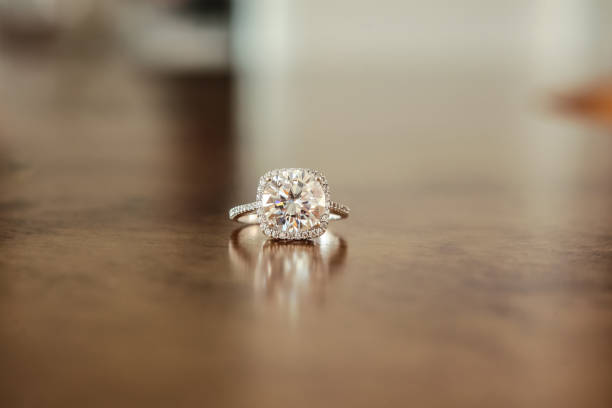
When shopping for an engagement ring, one of the first questions that often arises is: “How much should I spend? ” The answer isn’t as straightforward as it may seem because it depends on various factors, including personal finances, relationship priorities, and modern buying trends. Understanding these elements can help you make a meaningful and financially sound decision.
Factors to Consider When Determining Budget
- Assess your current income, savings, and financial commitments.
- Avoid overextending yourself or taking on unnecessary debt for a ring purchase.
-
Remember: a healthy financial future is more valuable than an expensive ring.
- Does your partner prioritize the size of the diamond or prefer a modest approach?
-
Some people value sentimentality or design over monetary value. Have honest conversations to understand their expectations.
-
While traditional “rules” suggest spending two to three months’ salary, modern buyers are shifting away from rigid guidelines in favor of personalized choices.
- Consider major expenses on the horizon—such as weddings, homeownership, or travel—and factor these into your budget planning.
Average Costs of Engagement Rings
Engagement ring prices vary widely based on location, materials used, and diamond quality (cut, clarity, color, carat weight).
| Region | Average Cost (2023) | Notes |
|---|---|---|
| United States | $5,500-$6,000 | Preferences lean toward larger diamonds |
| United Kingdom | £2,000-£3,000 | Modest-sized stones are popular |
| Australia | AUD 5,000-$6,500 | Focus on ethical sourcing |
However, don’t let averages dictate what you spend; they can be used as benchmarks but aren’t absolute standards.
Alternative Perspectives on Ring Budgets
- Prioritizing Experiences Over Objects: Some couples opt for smaller rings so they can allocate funds toward memorable experiences like traveling or saving for a new home together.
- Sentimental Choices Over Luxury Statements: Heirloom rings or alternative gemstones hold emotional meaning without necessarily carrying significant financial burdens.
Tips for Setting Your Budget
- Set a realistic price range before you shop to avoid overspending.
- Research financing options if needed but avoid high-interest loans.
- Keep long-term value in mind; prioritize quality over size.
- Explore alternative gemstones or lab-grown diamonds as cost-effective options.
By taking these steps and focusing on what truly matters—your shared commitment—you can find an engagement ring that fits both your budget and your values without succumbing to societal pressures about cost expectations.
Understanding Engagement Ring Valuation: Lab-Grown vs.
This choice significantly impacts not only the ring’s cost but also its environmental and ethical implications. Below, we explore the key distinctions in cost, value, and factors to consider when making your decision.
The price disparity between lab-grown and natural diamonds is primarily due to their origin and supply chain complexities.
| Factor | Lab-Grown Diamonds | Natural Diamonds |
|---|---|---|
| Average Cost | 30-50% less expensive | Higher due to rarity |
| Rarity | Man-made, abundant | Naturally occurring over millions of years |
| Market Dynamics | Predictable supply chain | Limited supply, high demand |
Lab-grown diamonds generally cost significantly less than their natural counterparts.
- A 1-carat lab-grown diamond can range from $1,000 to $3,500 depending on quality.
- A 1-carat natural diamond with similar characteristics may range from $4,000 to $10,000 or more.
- Mining Costs:Extracting natural diamonds involves labor-intensive mining processes that increase production costs.
- Rarity:Large or high-quality natural diamonds are rare, driving up their value.
- Marketing Legacy:Decades of advertising have positioned natural diamonds as symbols of love and commitment.
These methods allow manufacturers to produce high-quality stones at scale without depleting finite resources.
Key reasons for lower pricing include: – Reduced production time compared to natural formation. – No associated mining costs. – Fewer intermediaries in the supply chain.
Does Lower Cost Mean Lower Quality?
Absolutely not. Both lab-grown and natural diamonds undergo grading using identical standards set by gemological institutions such as GIA or IGI.
However: – Natural diamonds retain higher resale and trade-in value due to their rarity. – Lab-grown options often appeal to modern buyers who prioritize cost-efficiency and sustainability over long-term investment potential.
Lab-Grown Diamonds:– Environmentally friendly with minimal impact on ecosystems. – Ethical origins since no mining is involved.
Natural Diamonds:– Responsible sourcing efforts have improved but concerns still exist regarding ecological damage and labor practices in some regions.
Decision-Making Tips
To decide between lab-grown or natural diamonds:
1.Set Clear Priorities:Are you focused on budget-friendly options or long-term investment value?
2.Consider Sustainability:If environmental impact matters most to you, lab-grown might align better with your values.
3.Evaluate Resale Value:If potential resale is important in the future, a natural diamond is worth considering despite its higher upfront cost.
4.Shop Around:Always compare prices for similar grades across both categories before committing.
By understanding these core differences, you’re better prepared to make an informed decision that aligns with your financial goals while reflecting your personal values perfectly in your engagement ring purchase.
Understanding Diamond Ring Appraisal: Lab-Grown vs.
Both options have unique attributes, cost implications, and ethical considerations that can significantly impact your decision. Below is an in-depth comparison of these two types of diamonds to help you make the right choice.
- Typically 20-40% less expensive than natural diamonds.
- Costs are lower because they are created in controlled environments, requiring fewer resources.
-
Prices have become more competitive as production technology advances.
- Often priced higher due to their rarity and the extensive mining efforts involved.
- Market pricing can fluctuate based on supply constraints, demand trends, and global economic factors.
| Diamond Type | Average Cost (1-Carat) | Key Price Drivers |
|---|---|---|
| Lab-Grown | $1,000–$4,000 | Technology costs, energy use |
| Natural | $2,000–$8,000+ | Rarity, mining expenses, market demand |
Natural diamonds often hold stronger resale value over time due to their perceived rarity.
Ethical Considerations
- Considered an environmentally friendly alternative because they don’t require mining.
-
Avoid associations with conflict or “blood” diamonds.
- Some companies adhere to strict ethical sourcing practices through initiatives like the Kimberley Process Certification Scheme (KPCS).
- However, concerns remain around environmental degradation caused by traditional mining processes.
Appearance and Quality: Are They Different?
Visually speaking, there is no discernible difference between lab-grown and natural diamonds when comparing certified stones of identical grades.
However: – Lab-grown diamonds typically offer better clarity at a lower cost since they’re created in controlled settings with fewer natural inclusions. – For those seeking one-of-a-kind imperfections that speak to nature’s artistry, natural diamonds may hold additional appeal.
Why It Matters: Key Factors to Consider
Your choice between lab-grown and natural diamonds ultimately depends on personal preferences regarding budget constraints, environmental impact awareness, and long-term value.
- Budget-Friendly Option:Choose lab-grown if you’re looking for high-quality brilliance at a fraction of the cost.
- Eco-Conscious Decision:Opt for lab-grown if sustainability is important to you.
- Investment Perspective:Go with natural if you’re focused on potential resale value or owning something rare.
Making an informed decision requires balancing these factors against your priorities as well as exploring certified retailers who ensure transparency about sourcing methods and quality ratings.
By understanding the differences between lab-grown and natural diamonds—including cost implications—you’ll be better equipped to select an engagement ring that aligns with both your values and financial goals.
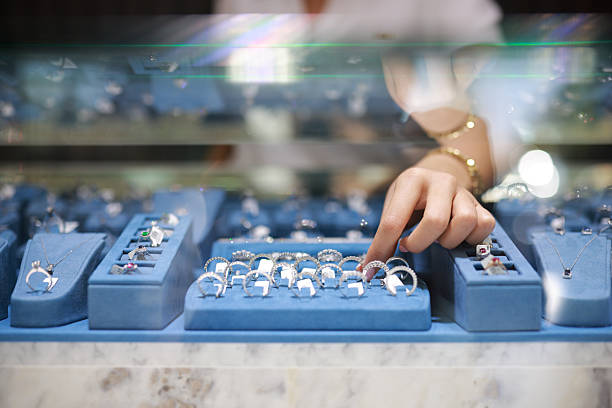
How to Get an Engagement Ring Appraisal and Shop Smart for Diamond Rings
Purchasing an engagement ring is a significant decision, both emotionally and financially. To make an informed choice, modern buyers should adopt smart buying tactics that focus on key factors like certification, comparing options, and timing your purchase effectively. Below is a comprehensive guide to help you make the most of your investment while ensuring the ring you choose is truly special.
Importance of Certification
When investing in a diamond engagement ring, certification should always be a priority. Certified diamonds provide peace of mind by verifying the authenticity and quality of the stone.
- Reputable Labs: Ensure the diamond comes with certification from well-known organizations like:
- Gemological Institute of America (GIA)
- American Gem Society (AGS)
- International Gemological Institute (IGI)
- Grading Reports: A reliable certificate includes detailed information about:
- Cut grade
- Color grade
- Clarity grade
- Carat weight
- Avoid Uncertified Diamonds: Without proper documentation, it becomes difficult to assess whether you’re paying a fair price.
Certifications not only guarantee quality but also help you compare similar diamonds when shopping around.
The Power of Comparisons
Comparison shopping is one of the smartest ways to ensure you’re getting the best value for your money.
-
Shop Around: Visit multiple online and brick-and-mortar retailers to check pricing for similar diamonds or settings.
- Prices can vary significantly between vendors depending on their overhead costs and sourcing practices.
-
Don’t hesitate to ask how prices are determined.
- Use retailer tools or apps that allow side-by-side comparisons.
- Pay attention to attributes like brilliance (cut), inclusions (clarity), and visible color differences.
| Attribute | Diamond A | Diamond B |
|---|---|---|
| Cut Grade | Excellent | Very Good |
| Clarity Grade | VS1 | SI1 |
| Color Grade | F | G |
| Price | $5,000 | $4,500 |
Even slight differences in grades can impact pricing significantly without being noticeable to the naked eye.
Timing Your Purchase
The timing of your engagement ring purchase can dramatically affect how much you pay.
-
Sales are often available during major holiday seasons such as Black Friday or Valentine’s Day.
-
Prices tend to rise during peak wedding months (April through September) due to high demand.
-
Many online retailers offer discounts throughout the year or provide coupons for first-time buyers.
- Custom-designed rings can take several months to complete. Purchasing early ensures plenty of time for adjustments without added rush fees.
Proactive Steps Before Buying
- Set a Budget First: Decide on your budget early in the process and stick to it.
- Research Trends and Styles: Understand what style suits your partner’s personality—solitaire settings? Vintage designs? Halo details?
- Check Return Policies: Ensure there’s flexibility in case adjustments or returns are needed after purchase.
By focusing on certification, making detailed comparisons, and timing your purchase wisely, you’ll be better equipped as a buyer—and more confident about choosing an engagement ring that balances quality with value.
Get More Brilliance for Less: Why Prioritizing Cut Over Carat Is Essential
Many buyers focus heavily on carat weight, assuming it’s the most significant factor in determining a diamond’s beauty and value. However, experts agree that prioritizing a diamond’s cut can make an even bigger impact on its appearance and brilliance compared to size alone. Here’s why cut should be at the top of your priority list when shopping for an engagement ring.
What Does “Cut” Mean in Diamond Grading?
It’s not about the shape of the diamond (like round, oval, or princess) but rather how precisely it has been crafted to maximize sparkle.
Key factors assessed in grading a diamond’s cut include: – Proportion: The relationship between different dimensions of the stone.Symmetry: How perfectly aligned and balanced its facets are.Polish: The smoothness of each surface.
A superior cut ensures that your diamond sparkles more vividly than one with a higher carat weight but poor craftsmanship.
Why Cut Matters More Than Carat
-
Enhances Brilliance:
Conversely, an expertly cut smaller diamond will outshine larger poorly-cut stones. -
Illusion of Size:
A high-quality cut can make smaller diamonds appear larger than they actually are because maximum sparkle draws more attention to the stone. -
Better Value for Money:
Diamonds with excellent or ideal cuts often cost less than larger stones with inferior cuts—allowing you to allocate your budget effectively while still getting exceptional beauty. -
Durability and Longevity:
Diamonds with good proportions are less prone to chipping because their structure distributes pressure more evenly.
Comparison Table: Cut vs Carat
| Aspect | Prioritizing Cut | Prioritizing Carat |
|---|---|---|
| Appearance | Maximizes sparkle & brilliance | May look dull if poorly cut |
| Perceived Size | Can appear bigger due to light return | True size may not impact perceived beauty |
| Cost Efficiency | Higher brilliance at lower weights | Costs increase significantly as weight rises |
| Durability | Well-balanced cuts are sturdier | Large poorly-cut diamonds may chip easily |
Tips for Buyers
- Always aim for diamonds graded as Excellent Cut or Very Good Cut, as these offer optimal brilliance without compromising quality.
- Keep in mind that other “C’s” like clarity and color become less noticeable in well-cut diamonds due to their sparkle.
- Instead of focusing on raw carat weight, consider shapes like round brilliant cuts with excellent symmetry—they tend to offer maximum light return.
- Work within your budget by balancing all four C’s (Cut, Color, Clarity, Carat) but give priority to cut for the best visual impact.
By prioritizing cut over carat weight when selecting an engagement ring, you ensure you’re investing in something timelessly beautiful while staying within your budget parameters—a choice both wise and stunningly effective.
Finding the perfect engagement ring requires striking a balance between personal style, quality, and budget. With so many designs, diamond characteristics, and precious metals to choose from, the process can feel overwhelming. However, by breaking it down into manageable steps and considering key factors, you can find a ring that reflects your partner’s personality while staying within financial constraints.
Knowing your partner’s preferences is an essential first step. Is their style timeless and traditional or modern and unique?
– Metal Preference:Do they usually wear yellow gold, white gold, rose gold, or platinum jewelry?
– Stone Shape:Popular shapes include round, princess, oval, emerald, pear, marquise, and cushion. Notice what shapes are in their current jewelry collection.
– Design Elements:Do they prefer simple solitaire settings or intricate designs with halos or side stones?
Take note of these details by paying attention to their everyday jewelry or asking close friends or family members for insights.
Determine an amount you’re comfortable spending on the engagement ring without compromising your financial stability. While tradition suggests spending two to three months’ salary on a ring, this guideline is outdated for many modern couples.
– Assess your financial situation honestly.
– Discuss openly with your partner if they prefer allocating more toward the ring or other life milestones (e. g. , travel plans or saving for a home).
– Research beforehand—the price of an engagement ring is influenced by factors like diamond carat weight, cut quality, clarity grade, metal choice, and design complexity.
| Feature | Impact on Price |
|---|---|
| Carat Weight | Larger diamonds increase costs |
| Cut Quality | A well-cut diamond offers better brilliance at any size |
| Clarity | Higher clarity grades cost more but differences may not always be visible |
| Metal Choice | Platinum tends to be pricier than gold |
Choosing quality over size ensures that the diamond sparkles brilliantly regardless of its carat weight:
– Cut is Key:A well-cut diamond reflects light beautifully and enhances its appearance far more than a slightly larger stone with poor cut quality. Prioritize “Excellent” or “Very Good” cuts when buying.Consider Alternatives:Opting for lab-grown diamonds instead of natural ones can provide access to larger stones at lower prices without compromising beauty.
Maximize your budget through careful shopping strategies:
– Always request certifications from reputable gemological labs like GIA (Gemological Institute of America) or AGS (American Gem Society). These reports confirm authenticity and grade the diamond on color, clarity, cut quality, etc.
– Compare prices across multiple retailers—both online and brick-and-mortar stores—to ensure competitive pricing. – Explore options during seasonal sales such as Black Friday or Valentine’s Day promotions.
Custom designs allow you to create something truly unique within your budget:
– Choose semi-custom rings where you select individual components like the band style and center stone shape. – Opt for smaller accent stones instead of traditional large solitaires for an intricate yet affordable design.
By following these tips thoughtfully tailored around both practical considerations and personal tastes—selecting materials wisely while focusing on meaningful design—you’ll have confidence knowing that this symbol of love aligns perfectly with both style preferences & affordability plans effectively.
- How Engagement Ring Valuation Impacts Pricing and Its Importance
- Understanding Engagement Ring Valuation: How Much Should You Spend?
- Top Tips for Finding Stylish and Affordable Engagement Rings
- Diamond Ring Appraisal Guide: Understanding Diamond Prices and True Value
- A Comprehensive Guide to Diamond Ring Appraisal and Choosing the Perfect Engagement Ring
- A Comprehensive Guide for Modern Buyers: How Much Should Engagement Rings Really Cost
- How Much Should an Engagement Ring Really Cost? Breaking Tradition and Budgeting Tips
- A Comprehensive Guide to Engagement Ring Valuation and How Much You Should Spend