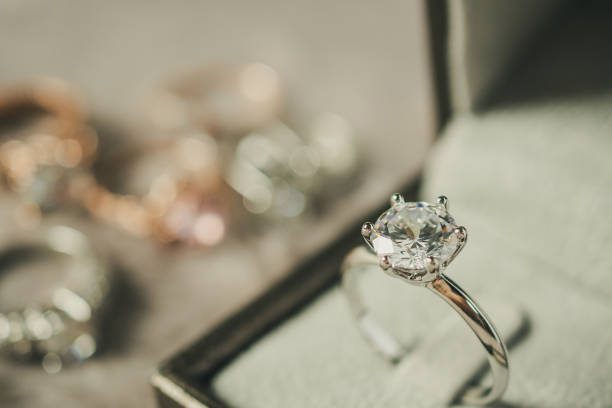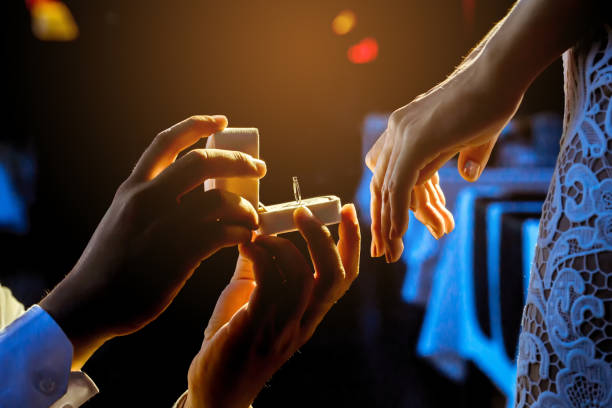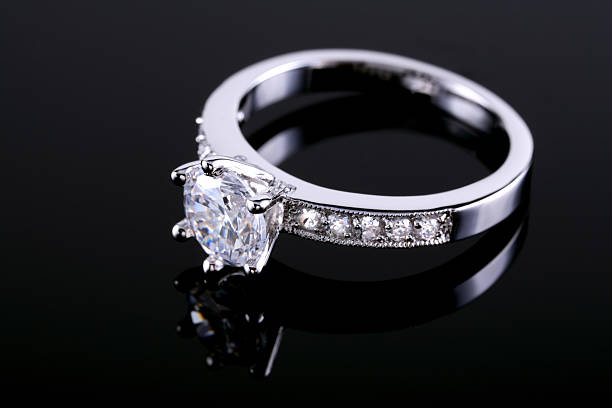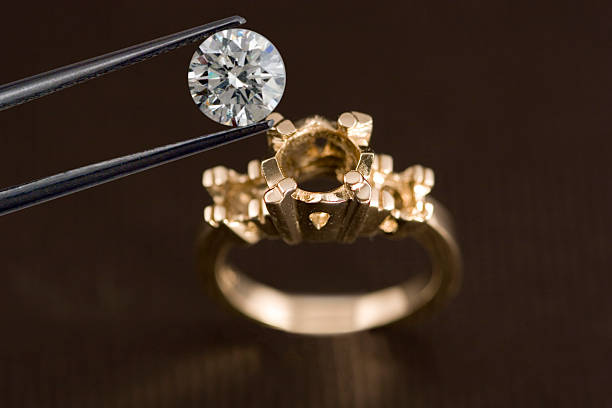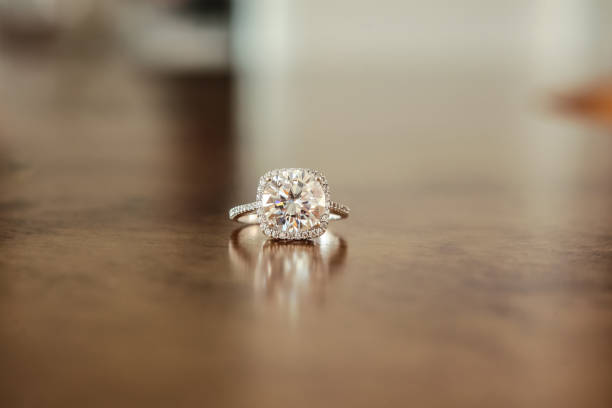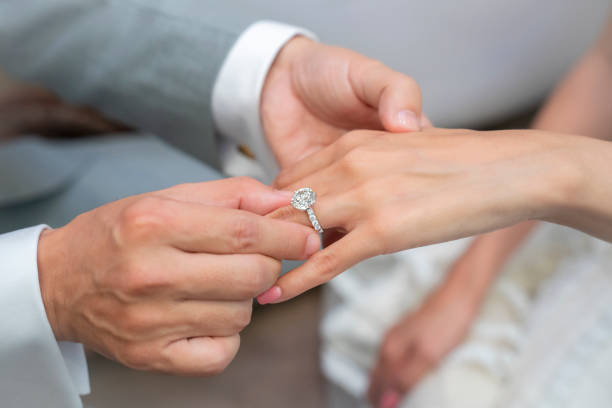
Wearing a ring at the engagement ceremony

Determining how much to spend on an engagement ring is one of the first—and often most daunting—steps in the process of proposing. While there is no universal answer, understanding your financial situation, priorities, and expectations will help guide this decision. Below, we outline key considerations and strategies for determining a realistic budget for this important purchase.

The “Three-Month Salary Rule” – Fact or Fiction?

The traditional guideline that suggests spending three months’ salary on an engagement ring has become less relevant in today’s world. While it may have been a popular marketing narrative in the past, modern couples are more focused on aligning their expenditure with personal budgets and lifestyle goals rather than adhering to outdated benchmarks.

Instead of relying on hard-and-fast rules:
– Evaluate your current financial obligations (e.g., rent, student loans, or savings goals).
– Consider future expenses like wedding planning or buying a home together. – Discuss shared financial priorities with your partner if appropriate.

Factors That Will Shape Your Budget

  1. Your Income: Avoid overextending yourself financially. Choose a budget that feels manageable within your current earnings.
  2. Partner’s Expectations: It’s helpful to understand your partner’s preferences regarding diamond shapes, settings, and styles—it may influence how much you’re willing to spend.
  3. Ring Customization: A custom design can add value but also increase costs.
  4. Long-Term Financial Goals: Don’t lose sight of saving for other life milestones such as travel or investments.

Strategies for Setting a Realistic Budget

  • Do Your Research: Familiarize yourself with average costs based on diamond size, quality (cut, clarity), and metal type (gold vs platinum). Use online tools and calculators for guidance.
  • Look Beyond the Stone: The band material and design can significantly influence cost—consider balancing the choice of metal against the size/quality of the center stone.
  • Stick to Priorities: Decide what matters most—stone size, quality grade (color/clarity), or craftsmanship—and adjust accordingly.
  • Explore Alternatives: Lab-grown diamonds or gemstones like sapphires can provide stunning options at lower price points.

Sample Engagement Ring Budget Breakdown

Expense Category Approximate Cost ($) Notes
Diamond/Center Stone 3,000 – 6,000 Based on carat weight & quality
Setting Material 500 – 2,000 Gold vs platinum
Craftsmanship/Labor 300 – 1,000 Custom designs may cost more
Additional Features 200 – 800 Accent stones or engravings

Total cost could range from $4,000-$10,000+, depending on individual choices.

Making Smart Financing Decisions

If paying upfront isn’t feasible:
– Explore no-interest financing options offered by jewelers. – Start saving early by setting aside a portion of income each month. – Compare prices across retailers to ensure you’re getting value without sacrificing quality.

By considering these factors thoughtfully and aligning them with your unique circumstances, you’ll be able to set a realistic budget that balances sentimentality with financial responsibility.

Timeless Styles of Engagement Rings and Popular Designs

Selecting the perfect engagement ring is not just about price or material; it’s also about choosing a design that reflects the personality and style of the wearer. Over the years, many designs have gained popularity, while certain timeless styles remain a go-to for couples. Below is an overview of both trending and classic engagement ring designs to help you make an informed decision.

Timeless Diamond Ring Appraisal and Engagement Ring Styles

  1. A single diamond or gemstone takes center stage in this enduring design.
  2. Known for its minimalist charm, it focuses entirely on the brilliance of the stone.
  3. Popular setting styles include prong, bezel, or tension settings.

  4. Features a central stone encircled by smaller diamonds or gemstones, creating a shimmering effect.
  5. The halo amplifies the size of the center stone, making it appear larger and more radiant.
  6. Commonly paired with round, oval, or cushion-cut diamonds.

  7. Symbolizing past, present, and future in a relationship, this style includes one prominent center diamond flanked by two smaller stones.
  8. Often designed with complementary diamond shapes for an elegant aesthetic.

  9. The band is encrusted with small diamonds closely set together to create continuous sparkle around the finger.
  10. Perfect for those who appreciate intricacy while maintaining sophistication.

  11. Draws influence from Art Deco or Victorian eras with intricate patterns like filigree details or milgrain accents.
  12. These rings appeal to individuals seeking unique heirloom-quality pieces.

Essential Tips for Engagement Ring Appraisal and Modern Trends

  1. A discreet halo underneath the main stone adds subtle sparkle without overshadowing minimalistic preferences.

  2. Stones like emerald-cut or marquise are set horizontally rather than vertically for a trendy twist on traditional cuts.

  3. Two-tone bands combine metals such as platinum with rose gold to create striking contrasts that stand out.

  4. While diamonds remain dominant, sapphires (blue), emeralds (green), and rubies (red) are becoming increasingly sought after as vibrant central stones.

  5. Clean lines and geometric forms cater to lovers of modern aesthetics without excessive decoration.

Comparison Table: Traditional vs Modern Styles

Feature Traditional Styles Modern Trends
Central Focus Diamond brilliance Unique personalization
Common Metal Choices Platinum, White Gold Rose Gold, Mixed Metals
Embellishments Vintage detailing Minimalist or abstract patterns
Gemstone Variety Diamonds only Diamonds plus colored gemstones

How to Choose Your Ideal Style

  • Consider your partner’s personal style — are they drawn to bold statements or understated elegance?
  • Think about lifestyle — active individuals may prefer lower-profile settings like bezel rings that prevent snagging.
  • Assess long-term appeal — some trend-based styles may feel dated over time compared to enduring classics.
  • Factor in symbolism — certain elements (e.g., three-stone rings) carry specific meanings that resonate deeply with some couples.

Choosing an engagement ring is not only about aesthetics but also about creating something meaningful that resonates with your journey together as a couple.

What Factors Influence the Cost of an Engagement Ring

When purchasing an engagement ring, several factors determine its overall cost. Understanding these elements can help you make an informed decision and allocate your budget effectively. Below, we explore the key components that impact the price of an engagement ring.

The Four Cs: Diamond Quality

The quality of a diamond is primarily evaluated using the Four Cs: carat, cut, color, and clarity. Each of these characteristics contributes to both the appearance and cost of a stone.

  • Carat: Refers to the weight of the diamond. Larger diamonds are rarer and significantly more expensive per carat.
  • Cut: Impacts how well a diamond reflects light. A better-cut diamond will have superior brilliance and sparkle, often commanding a higher price.
  • Color: Diamonds are graded on their colorlessness, with completely colorless stones being more valuable than those with noticeable hues.
  • Clarity: Measures imperfections within or on the surface of a diamond. Flawless diamonds are exceptionally rare and therefore costlier.
Clarity Grade Description Rarity
FL (Flawless) No visible inclusions or blemishes under 10x magnification Extremely Rare
VS1-VS2 Very slight inclusions that are difficult to spot Popular choice for quality vs cost
SI1-SI2 Slight inclusions visible under magnification but not to naked eye Budget-friendly

Metal Type for the Band

  • Platinum: Durable and hypoallergenic but one of the most expensive metals.
  • Gold: Available in yellow, white, or rose gold, offering versatility across different budgets.
  • Palladium: A lightweight alternative to platinum at a slightly lower price point.

Each metal has unique characteristics that can align with personal preferences while affecting costs.

Design Complexity

Custom-made rings or intricate designs typically increase costs due to additional labor and craftsmanship involved in their production. Simple solitaire settings tend to be more affordable compared to complex halo or vintage-inspired designs.

Stone Selection Beyond Diamonds

While diamonds are traditional for engagement rings, other gemstones like sapphires, emeralds, or moissanite can create stunning alternatives at varying price points. The rarity and durability of these stones play a role in determining their value.

Certification and Brand Name

Purchasing from renowned brands often carries a premium due to reputation and perceived quality assurance. Additionally, certified diamonds with grading reports from reputable institutions like GIA (Gemological Institute of America) or AGS (American Gem Society) may be priced higher than uncertified ones.

By understanding these key influencing factors—such as diamond characteristics, band materials, design intricacies, alternative stones, and certification—you’ll have greater clarity when determining what works best for your needs within your budget framework.
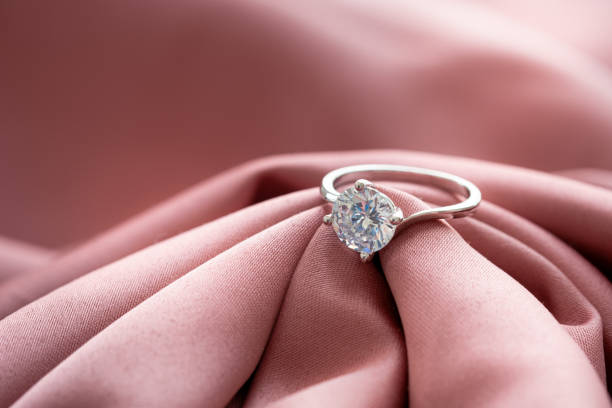
The wedding diamond ring is placed on a pink gold cloth.

Natural Diamond vs. Lab-Grown Diamond: Choosing the Perfect Stone for Your Engagement Ring

Selecting the right diamond for your engagement ring is one of the most significant decisions you’ll make during the process. One of the key considerations is whether to choose a natural diamond or a lab-grown diamond. Both options have their unique benefits, and understanding their differences can help you make an informed choice.

What Is a Natural Diamond?

Natural diamonds are formed deep within the earth under intense heat and pressure over billions of years. They are mined from various locations worldwide and are cherished for their rarity and authenticity.

Key Characteristics of Natural Diamonds:
Rarity: Each natural diamond is unique, often considered a symbol of timelessness and exclusivity.
Value Retention: Due to their rarity, natural diamonds generally hold higher long-term value compared to lab-grown options.
Environmental Impact: Mining processes can have significant environmental effects, though some companies are striving for more sustainable practices.

What Are Lab-Grown Diamonds?

Lab-grown diamonds, also known as synthetic or man-made diamonds, are created in controlled laboratory environments using advanced technology that replicates the conditions in which natural diamonds form.

Key Characteristics of Lab-Grown Diamonds:
Affordability: Typically 20-30% less expensive than natural diamonds with comparable size and quality.
Ethical Sourcing: Since they are grown in labs, they avoid many ethical concerns associated with mining practices such as conflict zones.
Identical Composition: Chemically, physically, and optically identical to natural diamonds.

Comparing Natural vs. Lab-Grown Diamonds

Feature Natural Diamond Lab-Grown Diamond
Formation Formed naturally over billions of years Created in weeks or months using technology
Cost Higher due to rarity More affordable
Environmental Impact Mining may cause ecological harm Lower environmental footprint
Rarity Unique and rare More readily available
Long-Term Value Retention Generally holds value better May depreciate faster

Factors to Consider When Choosing

  1. Budget: If affordability is a priority without compromising on quality, lab-grown may be an excellent choice.
  2. Sentimental Value: Many buyers prefer natural diamonds for their symbolism and rarity.
  3. Sustainability Concerns: For those prioritizing eco-friendly options, lab-grown diamonds offer a compelling alternative.
  4. Resale Value: If resale potential matters to you, consider a natural diamond as it typically retains value better.

Final Thoughts on Making Your Decision

Whether you choose a natural or lab-grown diamond ultimately depends on your personal priorities—be it budget-consciousness, ethical considerations, or emotional significance attached to a rarer stone. Both types offer stunning beauty that can make your engagement ring truly memorable without compromising on brilliance or quality.

Busting Common Myths About Engagement Ring Costs and Spending

When it comes to engagement rings, there are many misconceptions and myths surrounding the cost and how much one should spend. These myths can lead to unnecessary financial stress or unrealistic expectations, but understanding the facts can help you make a more informed decision.

Myth 1: You Must Spend Three Months’ Salary

  • There’s no fixed rule for how much you should spend. Your budget should depend on your personal financial situation, priorities, and values.
  • Many people today are spending less than this outdated guideline while still purchasing high-quality rings.
  • Consider allocating an amount that balances significance with practicality rather than adhering to arbitrary rules.

Myth 2: Bigger Is Always Better

  • Cut quality: A well-cut diamond will sparkle brilliantly regardless of carat size.
  • Clarity and color: These factors significantly impact a diamond’s appearance and value.
  • Design and setting: A thoughtfully chosen ring design can enhance even a smaller-sized diamond.

Ultimately, what matters most is selecting a ring that matches your partner’s style and preferences rather than prioritizing size alone.

Myth 3: Diamonds Are Your Only Option

Stone Type Characteristics Cost Comparison
Sapphires Durable, available in various colors Generally less costly
Emeralds Vibrant green hue May require extra care
Moissanite Sparkles like diamonds More budget-friendly

Choosing an alternative gemstone allows couples to create unique designs while saving on costs without compromising on beauty.

Myth 4: Custom Rings Are Always Expensive

  • Opting for simpler designs or smaller accents can reduce costs.
  • Using heirloom stones from family jewelry instead of purchasing new ones adds sentimental value while cutting expenses.
  • Lab-grown diamonds in custom settings offer both affordability and sustainability.

The key lies in communicating clearly with your jeweler about preferences and constraints.

Myth 5: Financing an Engagement Ring Is Always Necessary

  • Avoid financing if it means taking on high-interest debt that could strain finances later.
  • Set realistic savings goals ahead of time, giving yourself enough opportunity to purchase within budget.
  • Explore affordable payment plans offered by jewelers if spreading out costs aligns better with your financial situation.

Remember—an engagement ring symbolizes love and commitment; its monetary value shouldn’t overshadow its meaning.

By dispelling these common myths about engagement ring spending, couples can focus on choosing meaningful options within their financial goals rather than succumbing to outdated ideas or societal pressures.

How to Get the Perfect Engagement Ring While Staying Within Budget

Finding the perfect engagement ring is an exciting milestone, but it can also present financial challenges. Striking a balance between creating a meaningful symbol of love and staying within your budget is essential. Here’s a guide to help you make informed decisions and secure an engagement ring that aligns with both sentimentality and practicality.

Set a Realistic Budget

Before you start shopping, determine a budget that reflects your financial situation. A common misconception is that you must spend three months’ salary on an engagement ring. However, this guideline is outdated and unnecessary. Instead: – Evaluate your current income, savings, and expenses. – Decide on an amount that feels comfortable without overstretching your finances. – Remember that meaningfulness isn’t determined by cost.

Prioritize What Matters Most

Knowing what elements matter most to you or your partner will help allocate funds wisely. Consider these factors: – Stone Type: Natural diamonds can be pricier than lab-grown alternatives. Other gemstones like sapphires or moissanite provide unique options at lower costs. – Cut Quality: The cut impacts the diamond’s sparkle more than size or carat weight. A well-cut stone in a smaller size often appears more brilliant than larger, poorly cut stones. – Ring Metal: Platinum is durable but costly; white gold or yellow gold may offer similar aesthetics at reduced prices.

Explore Cost-Saving Strategies

Smart shopping strategies can help you stay within budget while finding the perfect ring: 1. Choose Slightly Smaller Carat Weights: – Diamonds just under milestone weights (e.g., 0.9 carats instead of 1 carat) often appear nearly identical to the next size up but cost significantly less due to pricing structures. 2. Opt for Halo Settings: – Surrounding a smaller center stone with tiny diamonds creates the illusion of greater size without increasing costs substantially. 3. Focus on Diamond Shape: – Non-round shapes like oval, pear, or emerald cuts are usually less expensive per carat yet equally stunning.

Consider Custom Design Options

Designing a custom ring may sound expensive but can be surprisingly economical: – Work with jewelers who allow flexibility in selecting materials. – Start with simpler designs and upgrade features over time if desired. – Tailor details like band width, side stones, or prong style to meet both aesthetic preferences and financial goals.

Budget Range Ideal Options Cost-Saving Tips
$1,000-$3,000 Lab-grown diamonds / Moissanite Focus on quality over carat weight
$3,000-$5,000 Mid-range natural diamonds Opt for solitaire settings
$5,000+ High-quality natural diamonds Invest in timeless styles

Timing Your Purchase Wisely

Timing plays a crucial role in saving money when buying an engagement ring: – Look for discounts during holidays such as Valentine’s Day or Black Friday. – Shop for rings during non-peak seasons when demand is lower.

By understanding your priorities and using strategic approaches like those outlined above, you can find an exquisite engagement ring without overspending—turning this symbolic purchase into both a heartfelt and financially sustainable decision.

Discover the Crafting Process Behind Stunning and Unique Engagement Rings

The creation of a unique and captivating engagement ring is an intricate process that combines artistry, craftsmanship, and precision. Understanding how these treasured symbols of love come to life can make the experience of selecting or designing your ring even more meaningful. Below is a step-by-step look into the crafting process behind these stunning pieces.

1. Design Concept and Consultation

The journey toward creating a unique engagement ring begins with a design consultation. During this phase:
Personal Preferences are Discussed: Clients share their preferences regarding metal type (e.g., platinum, gold), stone shape, and overall style (vintage, modern, or classic).
Sketching the Design: Designers often create concept sketches or digital renderings to visualize the final piece. This ensures clarity on every detail before production begins.
Customization Requests: Specific design elements such as engraving initials, intricate patterns, or using heirloom stones are incorporated during this stage.

2. Stone Selection and Cutting

Selecting the centerpiece stone greatly influences both cost and aesthetic appeal. Whether opting for a natural diamond or lab-grown diamond, attention is given to factors such as cut quality, color grade, clarity rating, and carat weight.

For traditional diamonds:
– A master gem cutter carefully shapes raw stones into specific cuts (e.g., round brilliant or princess).
– Attention to symmetry ensures light reflects optimally through facets for maximum brilliance.

For colored gemstones like sapphires or emeralds: – Special care is taken to preserve vivid hues while cutting away imperfections.

3. Stone Setting Creation

Stone setting plays a pivotal role in securing gemstones while enhancing their visual impact: – Prong Settings allow maximum light exposure for added brilliance. – Bezel Settings provide a sleek modern look while protecting edges of delicate stones. – More elaborate options like halo settings combine smaller pavé diamonds around central stones for added sparkle.

Craftsmen use high-powered microscopes during this step for meticulous precision—ensuring each stone fits snugly into its setting without risk of displacement over time.

4. Finishing Touches

Finally comes polishing and quality inspection: 1. The ring undergoes multiple rounds of polishing until it achieves an impeccable shine. 2. Engraving details such as dates or names may be added using laser technology. 3. Rigorous inspections assess durability, symmetry in design proportions alongside ensuring all stones are securely placed.

This comprehensive process transforms raw materials into heirloom-quality works-of-art cherished across generations—a true testament not only showcasing skill but emotional resonance behind every detail crafted uniquely tailored toward individual love stories embracing both sentimental & aesthetic perfection intertwined delicately together.


luxury engagement Diamond ring in jewelry gift box

Finding the perfect diamond engagement ring can be a daunting task, especially when balancing style and affordability. However, with the right approach and knowledge of where to shop, this process can become much simpler. Below, we explore some of the best places to find stylish yet budget-friendly diamond engagement rings.

Expert Diamond Ring Appraisal Services Online

  • Blue Nile: Known for its wide selection of certified diamonds and customizable settings.
  • James Allen: Features 360-degree views of each diamond for a transparent shopping experience.
  • Brilliant Earth: Offers ethical and sustainable diamonds, including both natural and lab-grown options.
  • Etsy: Perfect for vintage-inspired or handmade engagement rings from independent jewelers.

Shopping online often provides advanced tools like virtual try-ons, price filters, and customer reviews to aid decision-making.

Find Trusted Local Jewelers for Engagement Ring Appraisal

Supporting local jewelers is an excellent way to find unique designs while receiving personalized service. Benefits include:
– Customization opportunities tailored to your preferences.
– The ability to inspect the ring in person before purchase.
– Easier access to after-purchase services like resizing or cleaning.

Many small jewelers also offer flexible payment plans or discounts during sales events.

Major Retail Chains

Large-scale jewelry chains often provide an accessible entry point into diamond buying. Stores like Zales, Kay Jewelers, and Jared offer stylish options across various price ranges. These retailers frequently have special financing offers or discounts during holidays such as Valentine’s Day or Christmas.

Store Strengths Common Price Range
Zales Extensive selection $500 – $5,000
Kay Jewelers Convenient locations $600 – $6,000
Jared High-quality craftsmanship $1,000 – $10,000

Auction Sites and Estate Sales

For couples seeking something truly unique or vintage-inspired at a lower cost than retail prices, auction sites such as eBay and estate sales can be excellent resources. When purchasing from these sources: – Ensure diamonds come with certification (e.g., GIA or AGS reports).
– Ask about the history of the piece (for estate sales).
– Work with reputable sellers that offer return policies.

Wholesale Diamond Dealers

Wholesale dealers cater directly to consumers looking for affordable diamonds by selling at near-cost pricing compared to retail markups. Examples include: 1. Ritani’s “Click-and-Brick” Model: Combines online buying with in-person inspections. 2. Diamond Districts in Major Cities: Areas like New York City’s 47th Street are famous for offering competitive pricing on loose stones and custom settings.

Tips for Saving Money Without Sacrificing Quality

Here are some strategies to maximize your budget while finding a ring that feels luxurious: – Opt for slightly lower carat weights (e.g., 0.9 instead of 1 carat) which are visually similar but significantly cheaper. – Prioritize cut quality over color or clarity—the sparkle will make up for minor imperfections. – Choose alternative metals like white gold instead of platinum. – Consider lab-grown diamonds; they’re often more affordable than natural options but share identical physical properties.

By exploring these avenues thoughtfully, you can find a stunning engagement ring that combines elegance with affordability—making it perfect for celebrating this special milestone responsibly.

How to Get an Accurate Engagement Ring Valuation and Choose the Perfect Diamond

Finding the perfect diamond engagement ring can be an exciting yet overwhelming process, especially when working within a specific budget. By focusing on key factors, prioritizing personal preferences, and exploring creative solutions, it’s possible to find a stunning ring without breaking the bank. Here’s how you can choose the ideal diamond engagement ring for any budget.

1. Understand the 4Cs: Cut, Clarity, Color, and Carat

The 4Cs are critical in determining a diamond’s quality and value. When you’re shopping on a budget, consider which of these aspects matter most to you:
Cut: The cut has the greatest impact on a diamond’s brilliance. A well-cut diamond can look more impressive even if it’s smaller or has slightly lower clarity or color grades.
Clarity: Many inclusions or blemishes are microscopic and imperceptible to the naked eye, so opting for diamonds with lower clarity grades (such as VS2 or SI1) can save money without compromising appearance.
Color: Near-colorless diamonds (grades G-H-I) often appear just as beautiful as colorless ones (D-F) but come at a more affordable price point.
Carat: Consider choosing a slightly smaller carat weight (e.g., 0.90ct instead of 1ct) to significantly reduce costs while maintaining visual appeal.

Prioritize what’s most important based on your partner’s taste and select trade-offs that fit within your financial limits.

2. Choose Alternative Diamond Shapes

Round diamonds tend to be more expensive due to their popularity and demand. If you’re looking for cost-effective options without sacrificing style, consider alternative shapes such as:
– Oval
– Emerald
– Cushion
– Pear

These shapes not only stand out visually but also offer better value per carat compared to round diamonds.

3. Explore Unique Settings

The setting of an engagement ring plays a big role in its overall look and cost-effectiveness: – Halo settings amplify the appearance of the center stone by surrounding it with smaller diamonds. – Bezel settings secure stones with metal rims, offering durability and elegance. – Cluster designs combine smaller stones into intricate patterns that maximize sparkle without requiring large central diamonds.

These alternatives can deliver visual impact at a fraction of traditional solitaire costs.

4. Consider Alternative Metals

The band material contributes significantly to cost—opting for alternative metals like white gold or sterling silver instead of platinum helps stretch your budget further while maintaining sophistication.

Final Thoughts on Budget-Friendly Engagement Rings

By focusing on priorities like cut quality over carat weight or considering lab-grown options, you can create a meaningful symbol of love that aligns with your financial goals. With thoughtful choices across every aspect—diamond shape, setting design, and metal selection—you’ll discover that beauty doesn’t have to come at an exorbitant price.

Exploring the Growing Trend of Lab-Grown Diamond Engagement Rings

Lab-grown diamond engagement rings have seen a significant rise in popularity over the past decade. As more people prioritize ethical sourcing, sustainability, and affordability, these diamonds present a compelling option for modern couples. Below, we delve into why lab-grown diamonds are becoming a preferred choice and what you should know when considering one for your engagement ring.

What Are Lab-Grown Diamonds?

Lab-grown diamonds are real diamonds created in controlled laboratory settings using advanced technological processes that replicate natural diamond formation. Chemically, physically, and optically identical to mined diamonds, lab-grown options provide the same brilliance without the environmental and ethical concerns associated with traditional mining.

Benefits of Choosing Lab-Grown Diamonds

  • Affordability: On average, lab-grown diamonds cost 20-40% less than their mined counterparts. This allows buyers to invest in larger carat weights or higher-quality stones for the same budget.
  • Ethical Sourcing: Because they’re created in labs rather than extracted from mines, lab-grown diamonds eliminate concerns about conflict zones and unethical labor practices.
  • Eco-Friendliness: Producing lab-grown diamonds has a significantly smaller environmental impact compared to mining operations, which often disturb ecosystems and require extensive energy consumption.
  • Customizable Options: Labs can produce custom shapes, sizes, and colors more readily than what is typically available through natural mining.

How Lab-Grown Diamonds Compare to Natural Diamonds

Feature Lab-Grown Diamonds Natural Diamonds
Composition Carbon (identical to natural) Carbon
Creation Process High-pressure/high-temperature (HPHT) or chemical vapor deposition (CVD) Geological processes over billions of years
Cost Generally more affordable Typically more expensive
Environmental Impact Minimal Significant
Ethical Concerns None Possibility of conflict sourcing

Addressing Common Misconceptions

  1. Lack of Authenticity: Many believe that only mined diamonds are “real.” However, labs create genuine diamonds with identical properties.
  2. Lower Resale Value: While resale value is currently lower for lab-grown stones compared to natural ones, this is changing as they become increasingly mainstream.
  3. Durability Concerns: Lab-created stones are just as durable as mined ones; both rank at 10 on the Mohs hardness scale.

Who Should Consider Lab-Grown Diamond Rings?

  • Couples seeking ethically sourced jewelry.
  • Individuals working within tighter budgets but unwilling to compromise on quality or design.
  • Environmentally conscious buyers who want sustainable options.

Tips When Shopping for Lab-Grown Diamond Engagement Rings

  1. Research Certifications: Look for certifications from reputable organizations like IGI (International Gemological Institute) or GIA (Gemological Institute of America).
  2. Compare Prices: Shop around to find competitive pricing while ensuring quality craftsmanship.
  3. Prioritize Quality Over Size: Focus on cut and clarity first; even if you’re opting for a larger stone due to lower costs.

Lab-grown diamond engagement rings represent an innovative blend of beauty, ethics, and value—perfectly suited to meet the demands of today’s socially aware consumers without sacrificing luxury or timeless appeal.

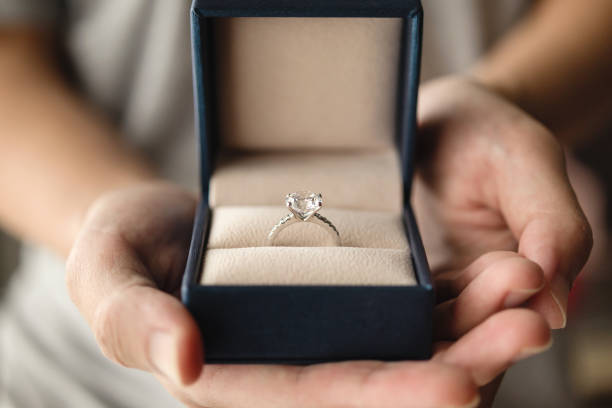
hands holding diamond ring in jewelry box

Top Solitaire Diamond Engagement Ring Designs That Capture Timeless Elegance

Solitaire diamond engagement rings have long been a symbol of timeless elegance and sophistication. Known for their simplicity and classic appeal, these designs feature a single, stunning diamond as the focal point, making them an enduring favorite among those seeking to express their love with understated beauty. Here’s an exploration of some of the most iconic and stylish solitaire ring designs that perfectly capture this timeless charm.

Why Choose a Solitaire Engagement Ring?

  • Simplicity: The focus is entirely on the diamond, showcasing its brilliance without distractions.
  • Versatility: Solitaire rings pair seamlessly with wedding bands or other jewelry pieces.
  • Timeless Style: Their classic design ensures they never go out of fashion.
  • Customization Options: From band materials to diamond shapes, there’s plenty of room for personalization.

Popular Solitaire Ring Settings

  1. Features 4 or 6 metal claws holding the diamond securely in place.
  2. Maximizes light exposure to enhance sparkle.
  3. Offers a clean and minimalistic look.

  4. Encircles the diamond with a thin metal rim to keep it secure.
  5. Provides a modern appearance while offering excellent durability.
  6. Ideal for individuals with active lifestyles.

  7. Mimics the arches of a cathedral by raising the diamond above the band.
  8. Adds subtle elegance while making the stone appear larger.

  9. Uses pressure from the band to hold the diamond in place.
  10. Creates an illusion that the stone is floating.
  11. A contemporary choice that highlights creativity in design.

  12. The diamond sits level with the surface of the band.
  13. Perfect for those seeking a sleek, minimalist aesthetic.

Diamond Shapes That Shine in Solitaire Designs

Diamond Shape Key Features Best Suited For
Round Brilliant Maximum brilliance and fire Traditional elegance
Oval Elongates fingers; modern yet classic Contemporary taste
Princess Square shape; sharp corners Bold personalities
Emerald Step-cut facets highlight clarity Lovers of vintage-inspired jewelry
Pear Teardrop shape; combines round & marquise features Unique and romantic styles

Tips for Enhancing Timeless Elegance

  • Opt for precious metals like platinum or gold (white gold complements diamonds beautifully).
  • Consider adding hidden details such as intricate engravings or accent stones on the band.
  • Pair your solitaire ring with complementary wedding bands such as eternity bands or plain metal bands.

By selecting designs that prioritize both quality craftsmanship and simplicity, you ensure that your solitaire engagement ring will remain elegant through every generation—a true testament to everlasting love.

Expert Tips for Picking the Ideal Cut, Clarity, and Style in a Diamond Engagement Ring

Choosing a diamond engagement ring can be an exciting yet overwhelming experience due to the multitude of options available. Understanding the essential aspects of cut, clarity, and style can help you make an informed decision. Below are expert tips to guide you through selecting the perfect diamond engagement ring.

The Importance of Cut: Bringing Out the Sparkle

  • Excellent/Ideal Cut: Maximizes sparkle and light reflection.
  • Very Good Cut: Offers superb brilliance but at a slightly lower cost than ideal cuts.
  • Good/Fair Cut: More affordable but less radiant, suitable for those on tighter budgets or prioritizing size over brilliance.
  • Proportions: Look for diamonds with well-balanced depth and table percentages (e.g., 58%-62% depth for round diamonds). Proportions significantly impact light performance.

Clarity: Balancing Purity and Value

Clarity grades assess the presence of inclusions (internal imperfections) or blemishes (surface imperfections). Most inclusions are invisible to the naked eye, so you can prioritize wisely without overspending on perfection.

  • Clarity Grades: | Grade | Description | Best Use | |—————|——————————————–|————————————————| | Flawless (FL) | No inclusions or blemishes under magnification | Rare and expensive; ideal for perfectionists | | VVS1/VVS2 | Very, very slight inclusions | Great balance of quality and value | | VS1/VS2 | Very slight inclusions; hard to spot with naked eye | Excellent choice for most buyers | | SI1/SI2 | Slight inclusions visible under magnification; sometimes visible without magnification | Budget-friendly option |

Tip: For rings where the center stone is prominently displayed (like solitaires), prioritize clarity slightly higher if your budget allows.

Choosing a Style That Reflects Individual Taste

The style of a diamond engagement ring should align with personal preferences while complementing daily wearability.

    • Solitaire: Timeless simplicity featuring one central stone.
    • Three-Stone Rings: Symbolic design representing past, present, and future.
    • Pavé Settings: Diamonds embedded into the band for extra sparkle.
    • Halo Designs: A central diamond surrounded by smaller ones, maximizing radiance.
    • Rose Gold Bands: Warm-toned metal gaining popularity among contemporary buyers.
    • East-West Settings: Unique orientation placing the diamond horizontally along the band.
    • Active individuals may prefer low-profile designs that minimize snags or damage risks.
    • Those who frequently wear jewelry might opt for durable metals like platinum or gold alloy blends.

Combining Quality With Affordability

  • Prioritize cut over carat weight if sparkle is more desirable than size.
  • Opt for near-colorless diamonds in G-H color grades instead of D-F; they appear just as white but cost significantly less.
  • Consider lab-grown diamonds as they offer similar quality at a fraction of natural diamonds’ price.

By understanding these factors—cut brilliance, clarity value, and style preferences—you’ll be well-equipped to select an engagement ring that’s both beautiful and meaningful without breaking your budget.


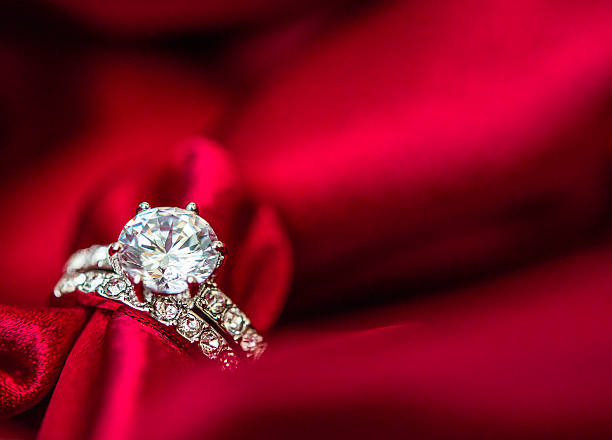
Wedding and engagement rings in rich red satin

When shopping for a diamond engagement ring, understanding the cost of diamonds is crucial. Beyond these attributes, other considerations such as shape, certification, and market trends also significantly influence pricing.

Factors Affecting Diamond Prices

  1. Cut: The cut directly impacts how well a diamond reflects light. A well-cut diamond will appear more brilliant and often commands a higher price compared to diamonds with poor cuts.
  2. Color: Diamonds are graded on a color scale from D (colorless) to Z (noticeable yellow or brown tint).
  3. Carat WeightHowever, prices don’t increase linearly—they tend to rise exponentially with size.
  4. Clarity: Clarity measures internal flaws (inclusions) or surface defects (blemishes). Flawless diamonds are extremely rare and expensive.

  5. Diamond Shape
    Shapes like round brilliant tend to be more expensive because they require more raw material during cutting and have high demand. Other shapes such as oval or cushion may offer better value while maintaining elegance.

  6. Certification
    Diamonds certified by reputable organizations like GIA or AGS come with trustworthy grading reports but may cost slightly more than uncertified stones due to their verified quality.

  7. Market Demand & Rarity
    Certain characteristics like high carat weights or fancy colors (e. g. , pink or blue diamonds) result in higher prices due to their rarity and desirability in the market.

Typical Price Ranges for Diamonds

Carat Weight Average Price Range (USD) Notes
0.50 $1,000 – $3,500 Affordable entry-level options
1.00 $4,000 – $15,000 Most popular choice for engagement rings
2.00 $8,000 – $50,000 Luxury option; depends on quality
3+ $20,000+ Rare sizes; premium pricing applies

Prices vary based on quality parameters even within similar carat weights.

Tips for Budget-Friendly Diamond Shopping

  • Consider opting for slightly lower grades in color or clarity that appear flawless to the naked eye but cost significantly less.
  • Choose non-traditional shapes like emerald or pear for better value.
  • Purchase near critical weight thresholds (e. g. , 0. 9 carats instead of 1 carat), which can lower costs without sacrificing perceptible size.

By understanding these elements and establishing your priorities—be it size over clarity or cut over carat—you can make informed decisions tailored to your budget without compromising on beauty or quality in your diamond purchase.

Understanding the Price Range of Engagement Rings Based on Diamond Carat Size

The term “carat” refers to the weight of the diamond, with one carat equating to 200 milligrams. As carat size increases, so too does the price, but not always in a linear manner. Understanding these price variations can help you make an informed decision when selecting a diamond.

How Engagement Ring Appraisal Factors Into Carat Size and Price

Carat size directly correlates with the rarity of a diamond. However, pricing is not solely based on weight; other factors such as cut quality, clarity grade, and color also contribute to the overall cost.

For instance: – A poorly cut 2-carat diamond may cost less than a well-cut 1. 5-carat diamond because cut quality enhances sparkle and brilliance. – Two diamonds of equal carat weight can have vastly different prices if one has better clarity or color grading.

Typical Price Ranges by Carat Size

Carat Weight Approximate Price Range (USD) Key Considerations
0.25 Carats $500 – $1,500 Ideal for delicate designs or minimalist styles
0.50 Carats $1,000 – $3,500 A popular choice for budget-conscious buyers
1.00 Carats $4,000 – $10,000 Offers balance between size and affordability
1.50 Carats $6,500 – $20,000 Larger presence without being overly expensive
2.00+ Carats $12,000+ Premium pricing due to rarity and desirability

Note: These ranges represent averages and can vary significantly based on quality factors like cut grade and certification.

Tips for Navigating Different Price Points

When exploring diamonds within your desired carat range: – Prioritize Cut Quality:A well-cut smaller stone often looks more brilliant than a larger poorly cut one.
Consider Slightly Lower Weights: Opting for slightly below key weights (e. g. , 0. 90 instead of 1-carat) can save money while achieving nearly identical visual impact.
Balance with Other Grades: A higher-grade clarity or color in a smaller stone may offer better overall beauty than compromising on these aspects for added weight.

Understanding Pricing Trends

Diamonds are priced per carat using an exponential scale rather than incrementally by weight. For example: – A single 2-carat diamond will typically cost more than two separate 1-carat diamonds combined. – Prices tend to spike at popular milestones (e. g. , 0. 50 or 1-carat), making slightly off-sized stones more economical options.

By carefully balancing your preferences and budget while focusing on overall quality rather than just size alone, you can find a stunning diamond that perfectly suits your needs without overspending.

Exploring the Price Range of Diamonds Based on Carat Size

Carat weight directly impacts the overall cost of a diamond, but it’s not as simple as larger diamonds being proportionally more expensive. Understanding how carat size affects pricing will help buyers make informed decisions that align with their budget and preferences.

How Carat Size Affects Price

While carat size refers to a diamond’s weight (1 carat equals 0. 2 grams), its influence on price is nonlinear. As the carat weight increases, prices tend to grow exponentially rather than linearly. This is largely due to the rarity of larger diamonds in nature.

For instance: – A 1-carat diamond will typically cost significantly less than a 2-carat diamond of similar quality, even though it isn’t double the size. – The value per carat increases as diamonds get larger, meaning a single 3-carat stone is worth significantly more than three individual 1-carat stones combined.

Average Price Ranges by Carat Weight

Below is an estimated breakdown of diamond prices based on popular carat sizes, assuming excellent cut, color (D-F), and clarity (VS1-VS2).

Carat Size Price Range (USD) Notes
0.25 carats $500 – $1,500 Ideal for simple and minimalist designs
0.50 carats $1,000 – $3,500 A common choice for solitaire or halo settings
1.00 carats $4,000 – $10,000 A classic option; offers noticeable brilliance
2.00 carats $10,000 – $30,000 Rare and luxurious; often statement pieces
3.00+ carats $30,000+ Exceptional rarity; highly customizable

Note:These figures are approximate and can fluctuate based on factors such as certification source (e. g. , GIA or AGS), supply chain costs, and specific retailer markups.

Practical Tips for Budget-Conscious Buyers

If you’re working within a specific budget but still want to maximize the value of your purchase: – Consider Slightly Below Benchmark Weights:Diamonds just under major benchmark weights (e. g. , 0. 90ct instead of 1ct) offer substantial savings without sacrificing visible size.Focus on Cut Quality:A well-cut diamond will appear brighter and more brilliant regardless of its exact weight.Explore Lab-Grown Diamonds:These alternatives provide larger sizes at lower price points while maintaining identical visual properties.

Balancing Size With Quality

While it’s easy to focus solely on carat weight when shopping for diamonds, balancing other quality factors—such as cut grade or clarity—is essential for achieving optimal brilliance and beauty. A smaller diamond with exceptional cut quality may outshine a poorly cut larger stone despite differences in size.

Understanding how carat weight impacts pricing equips buyers with the knowledge needed to select a stunning engagement ring within their financial means while ensuring long-term satisfaction with their investment.

Understanding Engagement Ring Valuation: Natural Diamonds vs.

This choice can significantly impact not only your budget but also the story behind the gem you select. Below, we break down how these two types of diamonds compare in terms of cost and other key factors.

Price Differences: Natural vs.

Lab-grown diamonds typically cost 30-50% less than their natural counterparts, making them an attractive option for those looking to maximize value without compromising on beauty or quality.

Carat Size Natural Diamond (Approx. Price) Lab-Grown Diamond (Approx. Price)
0.5 carat $1,000 – $2,500 $500 – $1,200
1 carat $4,000 – $10,000 $2,000 – $5,000
2 carats $12,000 – $25,000 $6,000 – $12,500
3 carats $30,000+ $15,000+

It’s worth noting that these prices are influenced by factors such as diamond quality (cut, color, clarity) and market trends.

This process reduces production costs and eliminates the expenses related to mining.

  • Shorter supply chain:No need for mining operations or extensive sourcing.
  • Scalability:Laboratories can produce these stones on demand.
  • Lower labor costs:Automated processes often replace manual labor.

Man open a ring box to give a gift to his girlfriend.

Beyond Cost: Key Considerations for Each Option

Advantages of Natural Diamonds

  • Uniqueness: Each natural diamond carries its own history and rarity.
  • Long-term value: Natural stones may retain or increase in value over time.
  • Cultural significance: Associated with tradition and exclusivity.
  • Sustainability: A more environmentally friendly alternative to mined stones.
  • Ethical sourcing: Avoids concerns related to conflict or “blood” diamonds.
  • Availability: A wider range of high-quality options at lower price points.

Making Your Choice

Deciding between a natural diamond and a lab-grown option ultimately depends on your priorities—whether they lean toward tradition and rarity or sustainability and affordability. Both types offer stunning visual appeal and enduring beauty for engagement rings or other jewelry pieces.

However, if you’re seeking something timeless with potential long-term investment value or symbolic meaning tied to Earth’s history, a natural diamond may be worth the additional expense. Carefully weigh these factors alongside your personal preferences before making your purchase decision.

Comprehensive Diamond Price Chart for All Budgets and Preferences

When shopping for a diamond, it’s essential to have a clear understanding of pricing to ensure you find the best option that aligns with your budget and preferences. A clear price chart can help you navigate the complexities of diamond costs by breaking down prices based on key factors like carat weight, cut quality, color grade, and clarity. Below is a comprehensive guide to assist you in making an informed decision.

Key Factors That Impact Diamond Prices

  • Cut Quality: Superior cuts enhance brilliance and can significantly increase a diamond’s value.

Diamond Price Chart

Below is an approximate price range for round brilliant diamonds at various carat weights based on mid-range quality grades (H Color and VS2 Clarity). Keep in mind that prices vary depending on market conditions and specific qualities.

Carat Weight Price Range (USD) Notes
0.25 $300 – $800 Ideal for subtle engagement rings.
0.50 $1,000 – $3,000 Popular choice for smaller budgets.
1.00 $4,000 – $10,000 Classic size offering great balance.
1.50 $8,000 – $18,000 For those seeking more presence.
2.00 $15,000 – $35,000 Luxurious option; highly coveted.

Budget-Friendly Tips

  1. Consider Slightly Lower Grades: Opting for near-colorless diamonds (G-H grades) or diamonds with minor inclusions invisible to the naked eye can save costs without sacrificing beauty.
  2. Explore Lab-Grown Diamonds: Lab-grown options are often 20-40% less expensive while offering identical visual appeal.
  3. Choose Non-Traditional Shapes: Fancy cuts like oval, pear, or marquise tend to cost less per carat compared to round brilliant cuts.
  4. Focus on Cut Over Carat: A well-cut diamond will appear more brilliant than a larger stone with inferior cut quality.

How This Chart Can Help You Find Your Perfect Diamond

This chart provides an excellent starting point for creating alignment between your financial goals and aesthetic preferences when purchasing an engagement ring. By understanding how factors like size and quality influence pricing, you’ll be better equipped to choose a stunning piece that meets both expectations and value considerations without overspending.

A Beginner’s Guide to Choosing the Perfect Diamond Engagement Ring

Choosing the perfect diamond engagement ring can feel overwhelming, but with the right guidance, you can navigate this process confidently. This guide breaks down key considerations to help you make an informed and meaningful decision.

Understand Your Budget

Before you start shopping, determine how much you’re willing to spend.

  • Set realistic expectations: Diamonds vary widely in price based on size, quality, and source. Decide on a comfortable price range.
  • Focus on value: Instead of prioritizing size alone, consider overall quality to maximize your investment.
  • Account for additional costs: Remember that settings, customizations, and warranties may add to the total cost.

Get Familiar with the 4 Cs

Characteristic What to Look For Impact on Appearance
Cut Excellent or Very Good grades; maximizes sparkle Most critical C for brilliance
Colour Near-colourless grades (G-H) offer great value Determines how “white” or clear a diamond appears
Carat Weight Select based on preference; larger diamonds attract higher prices Impacts size perception more than actual dimensions
Clarity SI1 or VS2 often balance appearance and affordability Fewer inclusions mean better clarity when viewed up close

Decide on Shape and Style

  • Round Brilliant: Timeless and traditional with maximum sparkle.
  • Princess Cut: Modern square design with sharp lines.
  • Cushion Cut: A soft square shape with rounded corners for vintage flair.
  • Oval or Pear Shapes: Elongated shapes that flatter fingers by appearing larger.
  • Emerald/Cut-Cornered Shapes: Sleek designs that emphasize clarity over brilliance.

Match the diamond shape with your partner’s personal style. For instance: – Minimalist preferences might align with solitaire or bezel-set rings. – Vintage tastes could favor intricate halo designs or antique-style bands.

Consider Metal Type for the Band

Metal Type Characteristics & Benefits
Platinum Durable; hypoallergenic; naturally white but costly
White Gold Affordable alternative to platinum; may need re-plating over time
Yellow Gold Classic choice with warm tones
Rose Gold Romantic pinkish hue; unique yet versatile

Select a setting that complements both your partner’s lifestyle (e. g. , active lifestyles appreciate sturdy settings) and skin tone.

Ask About Certification

Always request certification from reputable gemological labs such as GIA (Gemological Institute of America) or AGS (American Gem Society). These certificates validate the quality of your diamond purchase.

Purchasing an engagement ring is not just about technical details—it’s also about creating something meaningful for your future together. By considering budget, quality metrics like the 4 Cs, personal styles, metals, and certifications carefully during this decision-making process – you’ll ensure that your chosen ring will be cherished for years ahead.


Diamond engagement ring.

Buying an engagement ring is a significant and exciting decision. With countless styles, shapes, and settings available, finding the perfect ring can feel overwhelming. This guide will simplify the process, ensuring your purchase is meaningful and informed.

Step 1: Set Your Budget

  • Prioritize quality over size: A smaller diamond with excellent cut and clarity often looks more stunning.
  • Consider alternatives: Lab-grown diamonds or other gemstones offer beauty at a lower price point.
  • Don’t forget additional costs: Keep in mind expenses for extras like ring settings, resizing, and taxes.

Step 2: Understand the Four Cs

Four Cs What It Means Tips for Selection
Cut Refers to how well the diamond reflects light Prioritize cut quality for maximum brilliance
Color Measures lack of color; rated from D (colorless) to Z (yellow) Opt for near-colorless grades (G–I range) for value
Clarity Indicates imperfections or inclusions in the stone Aim for VS1–SI2 grades for eye-clean stones
Carat Weight Determines size; larger stones have higher carats Balance carat weight with other Cs

Step 3: Select a Shape That Suits Your Partner’s Style

Diamond shape influences both aesthetic and cost. Popular options include: – Round Brilliant: Timeless sparkle; often the most expensive due to demand. – Princess Cut: Modern design with sharp corners. – Oval & Pear Shapes: Unique silhouettes that elongate fingers. – Cushion & Emerald Cuts: Vintage-inspired designs with softer edges.

Understanding your partner’s personal preferences is key when choosing a shape.

Step 4: Explore Ring Settings

The way a diamond is mounted enhances its appearance and style. Some popular engagement ring settings include: – Solitaire Setting: Places focus on the central stone; ideal for minimalists. – Halo Setting: Surrounds the center diamond with smaller stones, amplifying its brilliance. – Three-Stone Setting: Symbolizes past, present, and future—perfect for sentimental couples.

Each setting offers unique advantages depending on your aesthetic goals.

Step 5: Choose a Metal That Complements

Engagement rings are typically crafted from durable precious metals such as yellow gold, white gold, rose gold, or platinum. Choosing the right metal depends on factors like skin tone, durability needs, and personal preference.

Final Thoughts on Shopping Smart

When shopping for an engagement ring: 1. Work with reputable jewelers who provide certificates verifying diamond authenticity (e.g., GIA or AGS reports). 2. Ask about warranties and return policies before making your purchase. 3. Take time to educate yourself about styles that hold sentimental value while staying within budget.

By following these steps diligently, you’ll find an engagement ring that perfectly symbolizes your love story while meeting practical needs.

How to Choose the Perfect Stone Shape and Get an Engagement Ring Appraisal

Selecting the perfect diamond shape is a crucial step in finding an engagement ring that reflects both personal style and timeless elegance. The shape of a diamond not only determines its overall appearance but also plays a significant role in how it interacts with light, complementing the wearer’s hand and personality. Below, we explore some of the most popular diamond shapes to help you decide which one is right for your engagement ring.

Popular Diamond Shapes and Their Characteristics

  1. The most classic and popular diamond shape.
  2. Features 58 facets designed to maximize sparkle and brilliance.
  3. Works well with almost any setting and style preference.
  4. Timeless choice for those seeking traditional elegance.

  5. A square or rectangular shape with pointed corners.
  6. Known for its modern appeal and excellent fire (colorful dispersion of light).
  7. Offers a contemporary alternative to round diamonds.
  8. Best suited for those who love clean lines and bold designs.

  9. Elongated round shape, offering a unique twist on tradition.
  10. Creates an illusion of larger size due to its elongated proportions.
  11. Complements shorter fingers by making them appear longer and more slender.
  12. Perfect for those seeking elegance with a touch of individuality.

  13. A square or rectangular shape with rounded corners resembling a pillow.
  14. Vintage-inspired design that exudes romantic charm.
  15. Balances brilliance and softness, making it versatile for many settings.
  16. Ideal for individuals drawn to antique aesthetics.

  17. Rectangular step-cut design with large facets that highlight clarity over brilliance.
  18. Offers a sleek, sophisticated look favored by minimalists.
  19. Particularly suitable for high-quality stones with exceptional clarity grades.

  20. Eye-catching elongated shape with pointed ends, resembling a football or boat silhouette.
  21. Maximizes carat weight, appearing larger than other shapes of similar size.
  22. Creates an elegant, dramatic effect that flatters long fingers.

  23. A teardrop-shaped diamond combining round brilliance at one end and pointed elegance at the other.
  24. Provides versatility: can be worn pointing upwards or downwards on the finger.
  25. Best suited for someone seeking uniqueness while still prioritizing sparkle.

  26. Symbolic shape that represents love and romance quite literally.
  27. Requires expert cutting to ensure symmetry and brilliance are maintained.
  28. Perfectly suited for sentimental individuals who want their ring to make an emotional statement.

Factors To Consider When Choosing a Shape

  • Hand Shape & Finger Length:
    Some diamond shapes can visually elongate fingers (oval, marquise) or widen them (round). Choose accordingly based on what complements your hand structure best.

  • Lifestyle & Durability Needs:
    Certain shapes like princess or heart may have delicate pointed edges more prone to chipping without proper settings (e.g., prongs). Round cuts are generally more durable due to their smooth edges.

  • Personal Style:
    Whether you prefer vintage charm (cushion), modern trends (princess), or timeless beauty (round), select a shape that reflects your individuality.

Comparison Table: Popular Diamond Shapes at a Glance

Diamond Shape Sparkle/Brilliance Vintage Appeal Modern Style Finger-Flattering Effect
Round Brilliant High Moderate High Balanced
Princess High Low High Slimming
Oval Moderate Low Moderate Elongates
Cushion Moderate High Low Balanced
Emerald Low High Moderate Slimming
Marquise Moderate Low High Elongates
Pear Moderate Low Moderate Versatile
Heart Moderate Low Low Balanced

Carefully selecting the right stone shape ensures your engagement ring is both stunning and meaningful — one designed to be cherished forever. Let your personal taste guide you as you explore these options thoughtfully.

Choosing the Right Stone Shape for Your Diamond Engagement Ring

Selecting the perfect diamond shape for your engagement ring is a personal and meaningful decision. The shape of the stone not only influences the overall look of the ring but also reflects your individual style and preferences. To make an informed choice, it’s important to understand the unique characteristics of different diamond shapes and how they complement various tastes and settings.

Popular Diamond Shapes and Their Features

  1. Known for its timeless appeal and exceptional sparkle, this classic shape is a top choice for engagement rings.
  2. Features 58 facets that maximize light reflection, giving it unparalleled brilliance.
  3. Pairs well with most settings, making it incredibly versatile.

  4. A square or rectangular cut that offers a modern, geometric look.
  5. Delivers excellent brilliance due to its many facets.
  6. Works beautifully in solitaire or three-stone settings.

  7. A sophisticated shape that elongates the finger, creating a flattering appearance.
  8. Offers brilliance similar to a round-cut diamond but with a unique silhouette.
  9. Ideal for vintage-inspired or modern designs.

  10. Characterized by its step-cut facets and open table, which create a subtle, elegant sparkle rather than intense brilliance.
  11. Showcases clarity exceptionally well, making it important to choose a high-quality stone with minimal inclusions.

  12. Combines rounded corners with larger facets for a romantic yet classic appearance.
  13. Known as one of the softer-looking shapes due to its pillow-like form.
  14. Complements vintage-style rings beautifully.

  15. Distinctive elongated shape with pointed ends that maximizes carat weight visually.
  16. Creates an illusion of a larger stone while also lengthening the appearance of fingers.

  17. Resembling a teardrop, this hybrid shape blends the round brilliant’s sparkle with an elegant taper.
  18. Often worn with the point facing outward for added dramatic effect.

  19. Similar to emerald cut but with more defined square proportions and layered steps.
  20. Vintage in essence and ideal for those seeking Art Deco-inspired designs.

Factors to Consider When Choosing a Diamond Shape

  • Personal Style: Think about whether you prefer traditional or modern aesthetics when deciding on your shape.
  • Finger Shape: Certain shapes like oval or marquise can make fingers appear longer and slimmer.
  • Setting Compatibility: Some shapes pair better with specific settings—for example: round diamonds work well in halo settings while emerald cuts shine in minimalist designs.
  • Budget Implications: Round brilliant diamonds are often more expensive per carat compared to less common shapes like cushion or pear.

Stone Shapes Comparison Table

Diamond Shape Key Features Ideal For
Round Maximum brilliance Classic designs
Princess Modern geometric aesthetic Contemporary styles
Oval Elongating effect Unique elegance
Emerald Subtle sparkle Sophisticated minimalism
Cushion Romantic vintage aesthetic Antique-inspired looks
Marquise Larger visual size Bold statements
Pear Unique teardrop silhouette Daring individual style

Choosing your stone shape is about more than just aesthetics; it’s about selecting something that feels personal and meaningful to you or your partner’s style preferences while balancing practical considerations like budget and setting design options.

Exploring Stunning Diamond Alternatives for Unique Engagement Rings

When it comes to engagement rings, diamonds have long been the traditional centerpiece. However, many couples today are seeking unique alternatives that align with their personal style, ethical values, or budget considerations. From vibrant gemstones to lab-created stones, there is a wide array of stunning diamond alternatives to choose from.

Popular Diamond Alternatives

  1. Known for its brilliance and fire, moissanite is a lab-created stone that closely resembles a diamond.
  2. It is more affordable than natural diamonds and scores 9.25 on the Mohs scale of hardness, making it durable for everyday wear.
  3. Moissanites are also environmentally friendly since they are grown in controlled lab environments.

  4. Traditionally associated with deep blue tones, sapphires are available in a variety of colors including pink, green, and yellow.
  5. They rank 9 on the Mohs scale and symbolize loyalty and trust—qualities often associated with marriage.

  6. Known for their stunning green hue, emeralds bring a bold and unconventional look to engagement rings.
  7. While slightly softer (7.5–8 on the Mohs scale), emeralds can be cut and set carefully to ensure durability over time.

  8. This blush-pink gemstone has gained popularity as a romantic alternative to diamonds.
  9. Morganite’s delicate color pairs beautifully with rose gold settings for an elegant and feminine appearance.

  10. Chemically identical to natural diamonds but created in laboratory conditions.
  11. Lab-grown diamonds are sustainable, ethically produced, and typically more affordable than mined counterparts.

  12. Known for their iridescence and unique play-of-color effects.
  13. Opals require special care due to their softness (5–6 on the Mohs scale), but they provide an eye-catching option for those seeking something truly distinctive.

Comparison Table: Key Features of Diamond Alternatives

Stone Type Hardness (Mohs Scale) Ethical Considerations Cost Compared to Diamonds
Moissanite 9.25 Lab-created; eco-friendly 10-20%
Sapphire 9 Mined; some ethical sourcing available 30-50%
Emerald 7.5–8 Mined Varies significantly
Morganite 7.5 Mined Typically lower
Lab-Grown Diamond 10 Sustainable; avoids mining impact ~30% less
Opal 5–6 Ethically mined options available Varies widely

Benefits of Choosing Alternatives

  • Affordability: Many diamond alternatives offer significant cost savings without sacrificing beauty or quality.
  • Sustainability: Stones like moissanite or lab-grown diamonds minimize environmental damage caused by mining practices.
  • Uniqueness: Alternative gemstones come in diverse colors and textures, giving you the opportunity to design a truly one-of-a-kind ring.
  • Personal Significance: Non-traditional choices allow couples to select stones that may hold specific meanings or sentimental value.

Tips for Selecting a Non-Diamond Engagement Ring

  1. Research the durability of your chosen gemstone based on its hardness rating if daily wear is expected.
  2. Consult with your jeweler regarding proper care instructions specific to your selected stone.
  3. Consider pairing colored gemstones with complementary metal settings such as rose gold or platinum for added visual contrast.

Exploring diamond alternatives can open up creative possibilities while aligning with modern values around sustainability or individuality when crafting an engagement ring that tells your unique love story.

A Detailed Look at Popular Ring Settings for Every Style

When it comes to choosing an engagement ring, the setting plays a vital role in defining its overall aesthetic and functionality. The setting is not only a structural component that holds the diamond or gemstone in place, but it also contributes significantly to the look and feel of the ring. Below is an exploration of popular engagement ring settings that cater to various styles and preferences.

Prong Setting

The prong setting, often referred to as a solitaire setting, is one of the most classic and timeless options. Thin metal prongs (usually four or six) secure the diamond, allowing maximum light exposure for enhanced brilliance.

Key Features: – Highlights the center stone by raising it above the band. – Works well with a variety of stone shapes, including round, princess, and oval. – Easy to clean and maintain because of minimal metal coverage.

Who It’s For: Perfect for those seeking a classic yet elegant style that emphasizes the diamond’s sparkle.

Bezel Setting

In a bezel setting, a thin metal rim surrounds the diamond entirely or partially. This modern design offers both security and sophistication.

Key Features: – Provides exceptional protection for the stone. – Sleek and contemporary appearance. – Ideal for people with active lifestyles due to its durability.

Who It’s For: A great option for individuals who value practicality without compromising on elegance.

Halo Setting

The halo setting features a central diamond encircled by smaller diamonds that enhance its size and brilliance. This design creates an impressive visual impact while maximizing sparkle.

Key Features: – Adds extra dimension and scintillation to smaller stones. – Can be paired with various center stone shapes (e.g., cushion cut or pear-shaped). – Creates an illusion of a larger center stone.

Who It’s For: Ideal for those looking for glamourous designs with added brilliance.

Pavé Setting

In pavé settings, small diamonds are embedded into the band to create a continuous shimmer effect. The term “pavé” comes from French, meaning “paved,” as these tiny stones resemble cobblestones set closely together.

Key Features: – Offers added sparkle along the band. – Complements different styles—modern, vintage, or minimalist. – Pairs beautifully with other settings like solitaire or halo.

Who It’s For: Suitable for individuals who appreciate intricate details and extra sparkle in their rings.

Three-Stone Setting

This design features three diamonds (or gemstones) placed side by side on the ring. Traditionally symbolizing past, present, and future commitment in relationships, this style carries sentimental value alongside elegance.

Key Features: – The side stones can either match or contrast with the center stone. – Allows room for customization in terms of stone types and shapes. – Offers versatility across modern or vintage-inspired designs.

Who It’s For: A meaningful choice for romantics who appreciate symbolism paired with beauty.

Setting Type Key Benefits Best Suited Style/Preference
Prong Classic look; highlights center stone Timeless elegance
Bezel Durability; sleek appearance Active lifestyle; modern aesthetics
Halo Maximized brilliance Glamorous designs
Pavé Shimmering band Intricate details; extra sparkle
Three-Stone Symbolism with elegance Sentimental value meets sophistication

Split Shank Setting

This distinctive style features a band that splits into two (or more) strands as it approaches the center stone. Split shank settings often accentuate bold designs while maintaining balance and symmetry.

Key Features: – Adds visual interest through intricate band details. – Works beautifully with larger center stones like emerald cuts. – Offers versatility ranging from vintage-inspired to contemporary looks.

Who It’s For: Great option for those looking to balance unique details with bold central gems.

Selecting the perfect ring setting involves understanding both practical needs (like durability) and aesthetic preferences. Each type offers unique characteristics designed to complement various personalities and lifestyles—ensuring every engagement ring feels truly one-of-a-kind.

istockphoto-115960252-612×612

Finding the Perfect Engagement Rings to Match Your Personality

Selecting an engagement ring is a deeply personal decision, one that reflects not only your love story but also your unique personality. With so many styles available, it’s essential to choose a ring that aligns with your individual tastes and lifestyle. Here’s a guide on how to find the perfect engagement ring style that resonates with who you are.

Identify Your Personal Style

  • Classic and Timeless: Minimalist outfits, neutral colors, simple silhouettes.
  • Vintage-Inspired: Love for retro clothing, antique jewelry, or intricate detailing.
  • Modern and Edgy: Sleek lines, geometric shapes, contemporary designs.
  • Bohemian and Nature-Loving: Earthy tones, organic shapes, floral motifs.
  • Glamorous and Luxurious: Sparkling accents, bold designs, statement-making pieces.

Match Ring Styles to Your Personality

  1. Ideal for those who appreciate simplicity and elegance.
  2. Features a single diamond or gemstone as the centerpiece.
  3. Best suited for classic personalities who value timeless beauty.

  4. Perfect for someone who loves a touch of glamour without going overboard.
  5. Surrounds the center stone with smaller diamonds or gemstones for added sparkle.

  6. Symbolizes past, present, and future – perfect for sentimental individuals.
  7. Offers versatility in combining different gemstone shapes or colors.

  8. Features intricate details like milgrain edges or filigree work.
  9. Appeals to antique lovers drawn to romantic designs from past eras.

  10. Incorporates floral patterns or organic curves in its design.
  11. Suited for free spirits who connect deeply with nature.

  12. Clean lines and contemporary aesthetics define this style.
  13. A great choice for those who prefer understated yet chic pieces.

  14. For those with a creative streak looking to craft a truly unique piece.
  15. Customization lets you incorporate meaningful symbols or elements into the design.

Consider Your Lifestyle

Lifestyle Recommended Styles
Active/Outdoor Bezel settings (secure stones)
Office Worker Solitaire rings (professional look)
Fashion-Conscious Halo/Three-stone designs

An active lifestyle might require more durable materials (like platinum) and secure settings such as bezels over prongs.

Metal Choice Matters

The choice of metal can also enhance how well the ring matches your personality: – Yellow Gold: Warmth and tradition; suits vintage-inspired styles. – Rose Gold: Romantic and feminine; ideal for bohemian tastes. – White Gold/Platinum: Sleek and modern; complements minimalist designs.

Final Tips

When choosing an engagement ring style: – Try on different options to see what resonates most with you in person. – Consider adding subtle personal touches like engravings inside the band. – Don’t hesitate to consult with professional jewelers—they can help match your vision with practical design elements.

By carefully considering these elements—style preference, lifestyle needs, metal choice—you’ll ensure that your engagement ring is as unique as your personality while remaining functional enough for daily wear.

How to Get an Engagement Ring Valuation and Choose a Style That Matches Your Personality

When it comes to selecting an engagement ring, ensuring the style reflects your personality is key. Your ring is a symbol of your love and commitment, but it’s also something you’ll wear every day, so it should resonate with who you are. Here’s how to choose a ring style that aligns perfectly with your unique traits and preferences.

Identify Your Personal Style

Start by evaluating your everyday style and preferences. This can provide valuable insight into the types of rings that might suit you best.

  • Classic and Timeless: If you prefer elegant clothing, neutral tones, and minimalistic jewelry, a simple solitaire diamond or a three-stone ring may align with your tastes.
  • Bold and Glamorous: For those who love making a statement with bold accessories or vibrant colors, consider halo settings or rings featuring large center stones.
  • Vintage Lover: If antiques and timeless pieces appeal to you, vintage-inspired designs with intricate details like milgrain edges or filigree work may be ideal.
  • Modern Minimalist: If sleek lines and contemporary shapes dominate your wardrobe, go for clean designs like bezel settings or geometric shapes.
  • Free-Spirited: For bohemian souls who value individuality, consider non-traditional gemstones like sapphires or emeralds in nature-inspired settings.

Matching Ring Styles to Lifestyle

Lifestyle Recommended Styles
Active/Outdoor Bezel settings or low-profile rings
Creative/Artistic Unique designs with colored stones
Professional/Formal Classic solitaires or channel-set bands
Laidback/Casual Simple bands with small diamonds

For individuals who work frequently with their hands (e.g., healthcare professionals), opting for sturdy designs can ensure longevity while resisting wear-and-tear.

Consider Symbolism

  • Solitaire Rings: Represent simplicity and enduring love.
  • Three-Stone Rings: Symbolize past, present, and future in a relationship.
  • Eternity Bands: Reflect everlasting commitment due to their continuous row of stones.

Taking time to consider what resonates emotionally can help narrow down options.

Tips for Exploring Options

  1. Try on different styles at jewelers to see what feels comfortable.
  2. Seek professional advice from jewelers who specialize in personalized designs.
  3. Use online tools such as virtual try-ons or quizzes designed to match ring styles to personality traits.

By reflecting on personal preferences in fashion, lifestyle needs, and emotional connections tied to design elements, it’s possible to find an engagement ring that not only represents your love story but also feels authentically “you.”

Everything You Need to Know About Insuring Your Engagement Ring

An engagement ring is not only a significant financial investment but also holds immense sentimental value. To ensure your ring is protected from unexpected circumstances such as loss, theft, or damage, insuring it is an essential step. This guide outlines everything you need to know about engagement ring insurance, helping you make an informed decision.

Why Should You Insure Your Engagement Ring?

  • Loss: Accidental misplacement or loss during travel or daily activities.
  • Theft: Protection against burglary or theft.
  • Damage: Coverage for repair costs if the ring is accidentally damaged.
  • Natural Disasters: Safeguarding your investment from events like fire or flooding.

Without insurance, replacing or repairing a lost or damaged engagement ring can be financially burdensome.

Steps to Insure Your Engagement Ring

  1. Get an Appraisal
    Before purchasing insurance, have your engagement ring appraised by a certified gemologist. The appraisal provides an accurate valuation of the ring based on its cut, color, clarity, carat weight, and current market trends.

  2. Understand the Types of Insurance
    There are two common ways to insure an engagement ring:

  3. Homeowner’s/Renter’s Insurance Rider: Add coverage for your engagement ring as a rider (or endorsement) to your existing homeowner’s or renter’s insurance policy.
  4. Standalone Jewelry Insurance Policy: Opt for specialized jewelry insurance that offers more comprehensive coverage tailored to high-value items.

  5. Compare Policies
    When shopping for policies, compare providers and pay close attention to:

  6. Coverage inclusions (loss, damage, theft)
  7. Exclusions (wear-and-tear, intentional damage)
  8. Premium costs and deductibles
  9. Claims process efficiency
  10. Policy limits and replacement terms

  11. Keep Documentation Ready
    Maintain important documents such as receipts and appraisals in both physical and digital formats. These will be essential if you ever need to file a claim.

Key Questions to Ask Your Insurer

  • Does the policy cover partial loss (e.g., missing stones)?
  • How are claims handled—cash reimbursement or replacement through specific jewelers?
  • Are there geographical limitations on coverage?
  • Will appraisal updates be required periodically?

Cost of Insuring an Engagement Ring

Value of the Ring Estimated Annual Premium
$5,000 $50–$100
$10,000 $100–$200
$20,000 $200–$400

Factors influencing premium costs include the location where you live (theft rates), the deductible amount chosen, and the type of policy selected.

Tips for Maintaining Coverage

To ensure continuous protection for your engagement ring: – Update appraisals every 2–3 years since diamond values can fluctuate. – Notify your insurer about changes in ownership or address. – Review policy terms annually to confirm they still meet your needs.

Insuring your engagement ring ensures that this cherished symbol of love remains protected against life’s uncertainties. By taking proactive steps now, you’re safeguarding not just financial investment but priceless memories too.


diamond ring

When shopping for an engagement ring, one of the first questions that often arises is: “How much should I spend? ” The answer isn’t as straightforward as it may seem because it depends on various factors, including personal finances, relationship priorities, and modern buying trends. Understanding these elements can help you make a meaningful and financially sound decision.

Factors to Consider When Determining Budget

  1. Assess your current income, savings, and financial commitments.
  2. Avoid overextending yourself or taking on unnecessary debt for a ring purchase.
  3. Remember: a healthy financial future is more valuable than an expensive ring.

  4. Does your partner prioritize the size of the diamond or prefer a modest approach?
  5. Some people value sentimentality or design over monetary value. Have honest conversations to understand their expectations.

  6. While traditional “rules” suggest spending two to three months’ salary, modern buyers are shifting away from rigid guidelines in favor of personalized choices.

  7. Consider major expenses on the horizon—such as weddings, homeownership, or travel—and factor these into your budget planning.

Average Costs of Engagement Rings

Engagement ring prices vary widely based on location, materials used, and diamond quality (cut, clarity, color, carat weight).

Region Average Cost (2023) Notes
United States $5,500-$6,000 Preferences lean toward larger diamonds
United Kingdom £2,000-£3,000 Modest-sized stones are popular
Australia AUD 5,000-$6,500 Focus on ethical sourcing

However, don’t let averages dictate what you spend; they can be used as benchmarks but aren’t absolute standards.

Alternative Perspectives on Ring Budgets

  • Prioritizing Experiences Over Objects: Some couples opt for smaller rings so they can allocate funds toward memorable experiences like traveling or saving for a new home together.
  • Sentimental Choices Over Luxury Statements: Heirloom rings or alternative gemstones hold emotional meaning without necessarily carrying significant financial burdens.

Tips for Setting Your Budget

  1. Set a realistic price range before you shop to avoid overspending.
  2. Research financing options if needed but avoid high-interest loans.
  3. Keep long-term value in mind; prioritize quality over size.
  4. Explore alternative gemstones or lab-grown diamonds as cost-effective options.

By taking these steps and focusing on what truly matters—your shared commitment—you can find an engagement ring that fits both your budget and your values without succumbing to societal pressures about cost expectations.

Understanding Engagement Ring Valuation: Lab-Grown vs.

This choice significantly impacts not only the ring’s cost but also its environmental and ethical implications. Below, we explore the key distinctions in cost, value, and factors to consider when making your decision.

The price disparity between lab-grown and natural diamonds is primarily due to their origin and supply chain complexities.

Factor Lab-Grown Diamonds Natural Diamonds
Average Cost 30-50% less expensive Higher due to rarity
Rarity Man-made, abundant Naturally occurring over millions of years
Market Dynamics Predictable supply chain Limited supply, high demand

Lab-grown diamonds generally cost significantly less than their natural counterparts.

  • A 1-carat lab-grown diamond can range from $1,000 to $3,500 depending on quality.
  • A 1-carat natural diamond with similar characteristics may range from $4,000 to $10,000 or more.
  • Mining Costs:Extracting natural diamonds involves labor-intensive mining processes that increase production costs.
  • Rarity:Large or high-quality natural diamonds are rare, driving up their value.
  • Marketing Legacy:Decades of advertising have positioned natural diamonds as symbols of love and commitment.

These methods allow manufacturers to produce high-quality stones at scale without depleting finite resources.

Key reasons for lower pricing include: – Reduced production time compared to natural formation. – No associated mining costs. – Fewer intermediaries in the supply chain.

Does Lower Cost Mean Lower Quality?

Absolutely not. Both lab-grown and natural diamonds undergo grading using identical standards set by gemological institutions such as GIA or IGI.

However: – Natural diamonds retain higher resale and trade-in value due to their rarity. – Lab-grown options often appeal to modern buyers who prioritize cost-efficiency and sustainability over long-term investment potential.

Lab-Grown Diamonds:– Environmentally friendly with minimal impact on ecosystems. – Ethical origins since no mining is involved.

Natural Diamonds:– Responsible sourcing efforts have improved but concerns still exist regarding ecological damage and labor practices in some regions.

Decision-Making Tips

To decide between lab-grown or natural diamonds:
1.Set Clear Priorities:Are you focused on budget-friendly options or long-term investment value?
2.Consider Sustainability:If environmental impact matters most to you, lab-grown might align better with your values.
3.Evaluate Resale Value:If potential resale is important in the future, a natural diamond is worth considering despite its higher upfront cost.
4.Shop Around:Always compare prices for similar grades across both categories before committing.

By understanding these core differences, you’re better prepared to make an informed decision that aligns with your financial goals while reflecting your personal values perfectly in your engagement ring purchase.

Understanding Diamond Ring Appraisal: Lab-Grown vs.

Both options have unique attributes, cost implications, and ethical considerations that can significantly impact your decision. Below is an in-depth comparison of these two types of diamonds to help you make the right choice.

  • Typically 20-40% less expensive than natural diamonds.
  • Costs are lower because they are created in controlled environments, requiring fewer resources.
  • Prices have become more competitive as production technology advances.

  • Often priced higher due to their rarity and the extensive mining efforts involved.
  • Market pricing can fluctuate based on supply constraints, demand trends, and global economic factors.
Diamond Type Average Cost (1-Carat) Key Price Drivers
Lab-Grown $1,000–$4,000 Technology costs, energy use
Natural $2,000–$8,000+ Rarity, mining expenses, market demand

Natural diamonds often hold stronger resale value over time due to their perceived rarity.

Ethical Considerations

  • Considered an environmentally friendly alternative because they don’t require mining.
  • Avoid associations with conflict or “blood” diamonds.

  • Some companies adhere to strict ethical sourcing practices through initiatives like the Kimberley Process Certification Scheme (KPCS).
  • However, concerns remain around environmental degradation caused by traditional mining processes.

Appearance and Quality: Are They Different?

Visually speaking, there is no discernible difference between lab-grown and natural diamonds when comparing certified stones of identical grades.

However: – Lab-grown diamonds typically offer better clarity at a lower cost since they’re created in controlled settings with fewer natural inclusions. – For those seeking one-of-a-kind imperfections that speak to nature’s artistry, natural diamonds may hold additional appeal.

Why It Matters: Key Factors to Consider

Your choice between lab-grown and natural diamonds ultimately depends on personal preferences regarding budget constraints, environmental impact awareness, and long-term value.

  1. Budget-Friendly Option:Choose lab-grown if you’re looking for high-quality brilliance at a fraction of the cost.
  2. Eco-Conscious Decision:Opt for lab-grown if sustainability is important to you.
  3. Investment Perspective:Go with natural if you’re focused on potential resale value or owning something rare.

Making an informed decision requires balancing these factors against your priorities as well as exploring certified retailers who ensure transparency about sourcing methods and quality ratings.

By understanding the differences between lab-grown and natural diamonds—including cost implications—you’ll be better equipped to select an engagement ring that aligns with both your values and financial goals.

istockphoto-2216044882-612×612

How to Get an Engagement Ring Appraisal and Shop Smart for Diamond Rings

Purchasing an engagement ring is a significant decision, both emotionally and financially. To make an informed choice, modern buyers should adopt smart buying tactics that focus on key factors like certification, comparing options, and timing your purchase effectively. Below is a comprehensive guide to help you make the most of your investment while ensuring the ring you choose is truly special.

Importance of Certification

When investing in a diamond engagement ring, certification should always be a priority. Certified diamonds provide peace of mind by verifying the authenticity and quality of the stone.

  • Reputable Labs: Ensure the diamond comes with certification from well-known organizations like:
  • Gemological Institute of America (GIA)
  • American Gem Society (AGS)
  • International Gemological Institute (IGI)
  • Grading Reports: A reliable certificate includes detailed information about:
  • Cut grade
  • Color grade
  • Clarity grade
  • Carat weight
  • Avoid Uncertified Diamonds: Without proper documentation, it becomes difficult to assess whether you’re paying a fair price.

Certifications not only guarantee quality but also help you compare similar diamonds when shopping around.

The Power of Comparisons

Comparison shopping is one of the smartest ways to ensure you’re getting the best value for your money.

  1. Shop Around: Visit multiple online and brick-and-mortar retailers to check pricing for similar diamonds or settings.

  2. Prices can vary significantly between vendors depending on their overhead costs and sourcing practices.
  3. Don’t hesitate to ask how prices are determined.

  4. Use retailer tools or apps that allow side-by-side comparisons.
  5. Pay attention to attributes like brilliance (cut), inclusions (clarity), and visible color differences.
Attribute Diamond A Diamond B
Cut Grade Excellent Very Good
Clarity Grade VS1 SI1
Color Grade F G
Price $5,000 $4,500

Even slight differences in grades can impact pricing significantly without being noticeable to the naked eye.

Timing Your Purchase

The timing of your engagement ring purchase can dramatically affect how much you pay.

  • Sales are often available during major holiday seasons such as Black Friday or Valentine’s Day.

  • Prices tend to rise during peak wedding months (April through September) due to high demand.

  • Many online retailers offer discounts throughout the year or provide coupons for first-time buyers.

  • Custom-designed rings can take several months to complete. Purchasing early ensures plenty of time for adjustments without added rush fees.

Proactive Steps Before Buying

  • Set a Budget First: Decide on your budget early in the process and stick to it.
  • Research Trends and Styles: Understand what style suits your partner’s personality—solitaire settings? Vintage designs? Halo details?
  • Check Return Policies: Ensure there’s flexibility in case adjustments or returns are needed after purchase.

By focusing on certification, making detailed comparisons, and timing your purchase wisely, you’ll be better equipped as a buyer—and more confident about choosing an engagement ring that balances quality with value.

Get More Brilliance for Less: Why Prioritizing Cut Over Carat Is Essential

Many buyers focus heavily on carat weight, assuming it’s the most significant factor in determining a diamond’s beauty and value. However, experts agree that prioritizing a diamond’s cut can make an even bigger impact on its appearance and brilliance compared to size alone. Here’s why cut should be at the top of your priority list when shopping for an engagement ring.

What Does “Cut” Mean in Diamond Grading?

It’s not about the shape of the diamond (like round, oval, or princess) but rather how precisely it has been crafted to maximize sparkle.

Key factors assessed in grading a diamond’s cut include: – Proportion: The relationship between different dimensions of the stone.Symmetry: How perfectly aligned and balanced its facets are.Polish: The smoothness of each surface.

A superior cut ensures that your diamond sparkles more vividly than one with a higher carat weight but poor craftsmanship.

Why Cut Matters More Than Carat

  1. Enhances Brilliance:
    Conversely, an expertly cut smaller diamond will outshine larger poorly-cut stones.

  2. Illusion of Size:
    A high-quality cut can make smaller diamonds appear larger than they actually are because maximum sparkle draws more attention to the stone.

  3. Better Value for Money:
    Diamonds with excellent or ideal cuts often cost less than larger stones with inferior cuts—allowing you to allocate your budget effectively while still getting exceptional beauty.

  4. Durability and Longevity:
    Diamonds with good proportions are less prone to chipping because their structure distributes pressure more evenly.

Comparison Table: Cut vs Carat

Aspect Prioritizing Cut Prioritizing Carat
Appearance Maximizes sparkle & brilliance May look dull if poorly cut
Perceived Size Can appear bigger due to light return True size may not impact perceived beauty
Cost Efficiency Higher brilliance at lower weights Costs increase significantly as weight rises
Durability Well-balanced cuts are sturdier Large poorly-cut diamonds may chip easily

Tips for Buyers

  • Always aim for diamonds graded as Excellent Cut or Very Good Cut, as these offer optimal brilliance without compromising quality.
  • Keep in mind that other “C’s” like clarity and color become less noticeable in well-cut diamonds due to their sparkle.
  • Instead of focusing on raw carat weight, consider shapes like round brilliant cuts with excellent symmetry—they tend to offer maximum light return.
  • Work within your budget by balancing all four C’s (Cut, Color, Clarity, Carat) but give priority to cut for the best visual impact.

By prioritizing cut over carat weight when selecting an engagement ring, you ensure you’re investing in something timelessly beautiful while staying within your budget parameters—a choice both wise and stunningly effective.

Finding the perfect engagement ring requires striking a balance between personal style, quality, and budget. With so many designs, diamond characteristics, and precious metals to choose from, the process can feel overwhelming. However, by breaking it down into manageable steps and considering key factors, you can find a ring that reflects your partner’s personality while staying within financial constraints.

Knowing your partner’s preferences is an essential first step. Is their style timeless and traditional or modern and unique?
Metal Preference:Do they usually wear yellow gold, white gold, rose gold, or platinum jewelry?
Stone Shape:Popular shapes include round, princess, oval, emerald, pear, marquise, and cushion. Notice what shapes are in their current jewelry collection.
Design Elements:Do they prefer simple solitaire settings or intricate designs with halos or side stones?

Take note of these details by paying attention to their everyday jewelry or asking close friends or family members for insights.

Determine an amount you’re comfortable spending on the engagement ring without compromising your financial stability. While tradition suggests spending two to three months’ salary on a ring, this guideline is outdated for many modern couples.
– Assess your financial situation honestly.
– Discuss openly with your partner if they prefer allocating more toward the ring or other life milestones (e. g. , travel plans or saving for a home).
– Research beforehand—the price of an engagement ring is influenced by factors like diamond carat weight, cut quality, clarity grade, metal choice, and design complexity.

Feature Impact on Price
Carat Weight Larger diamonds increase costs
Cut Quality A well-cut diamond offers better brilliance at any size
Clarity Higher clarity grades cost more but differences may not always be visible
Metal Choice Platinum tends to be pricier than gold

Choosing quality over size ensures that the diamond sparkles brilliantly regardless of its carat weight:
Cut is Key:A well-cut diamond reflects light beautifully and enhances its appearance far more than a slightly larger stone with poor cut quality. Prioritize “Excellent” or “Very Good” cuts when buying.Consider Alternatives:Opting for lab-grown diamonds instead of natural ones can provide access to larger stones at lower prices without compromising beauty.

Maximize your budget through careful shopping strategies:
– Always request certifications from reputable gemological labs like GIA (Gemological Institute of America) or AGS (American Gem Society). These reports confirm authenticity and grade the diamond on color, clarity, cut quality, etc.
– Compare prices across multiple retailers—both online and brick-and-mortar stores—to ensure competitive pricing. – Explore options during seasonal sales such as Black Friday or Valentine’s Day promotions.

Custom designs allow you to create something truly unique within your budget:
– Choose semi-custom rings where you select individual components like the band style and center stone shape. – Opt for smaller accent stones instead of traditional large solitaires for an intricate yet affordable design.

By following these tips thoughtfully tailored around both practical considerations and personal tastes—selecting materials wisely while focusing on meaningful design—you’ll have confidence knowing that this symbol of love aligns perfectly with both style preferences & affordability plans effectively.