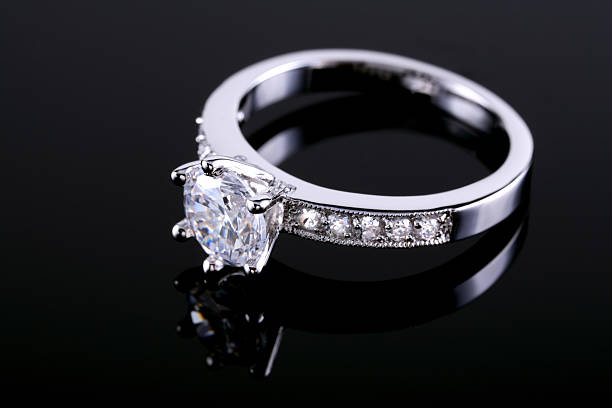
Buying an engagement ring is a significant and exciting decision. With countless styles, shapes, and settings available, finding the perfect ring can feel overwhelming. This guide will simplify the process, ensuring your purchase is meaningful and informed.
Step 1: Set Your Budget
- Prioritize quality over size: A smaller diamond with excellent cut and clarity often looks more stunning.
- Consider alternatives: Lab-grown diamonds or other gemstones offer beauty at a lower price point.
- Don’t forget additional costs: Keep in mind expenses for extras like ring settings, resizing, and taxes.
Step 2: Understand the Four Cs
| Four Cs | What It Means | Tips for Selection |
|---|---|---|
| Cut | Refers to how well the diamond reflects light | Prioritize cut quality for maximum brilliance |
| Color | Measures lack of color; rated from D (colorless) to Z (yellow) | Opt for near-colorless grades (G–I range) for value |
| Clarity | Indicates imperfections or inclusions in the stone | Aim for VS1–SI2 grades for eye-clean stones |
| Carat Weight | Determines size; larger stones have higher carats | Balance carat weight with other Cs |
Step 3: Select a Shape That Suits Your Partner’s Style
Diamond shape influences both aesthetic and cost. Popular options include: – Round Brilliant: Timeless sparkle; often the most expensive due to demand. – Princess Cut: Modern design with sharp corners. – Oval & Pear Shapes: Unique silhouettes that elongate fingers. – Cushion & Emerald Cuts: Vintage-inspired designs with softer edges.
Understanding your partner’s personal preferences is key when choosing a shape.
Step 4: Explore Ring Settings
The way a diamond is mounted enhances its appearance and style. Some popular engagement ring settings include: – Solitaire Setting: Places focus on the central stone; ideal for minimalists. – Halo Setting: Surrounds the center diamond with smaller stones, amplifying its brilliance. – Three-Stone Setting: Symbolizes past, present, and future—perfect for sentimental couples.
Each setting offers unique advantages depending on your aesthetic goals.
Step 5: Choose a Metal That Complements
Engagement rings are typically crafted from durable precious metals such as yellow gold, white gold, rose gold, or platinum. Choosing the right metal depends on factors like skin tone, durability needs, and personal preference.
Final Thoughts on Shopping Smart
When shopping for an engagement ring: 1. Work with reputable jewelers who provide certificates verifying diamond authenticity (e.g., GIA or AGS reports). 2. Ask about warranties and return policies before making your purchase. 3. Take time to educate yourself about styles that hold sentimental value while staying within budget.
By following these steps diligently, you’ll find an engagement ring that perfectly symbolizes your love story while meeting practical needs.
How to Choose the Perfect Stone Shape and Get an Engagement Ring Appraisal
Selecting the perfect diamond shape is a crucial step in finding an engagement ring that reflects both personal style and timeless elegance. The shape of a diamond not only determines its overall appearance but also plays a significant role in how it interacts with light, complementing the wearer’s hand and personality. Below, we explore some of the most popular diamond shapes to help you decide which one is right for your engagement ring.
Popular Diamond Shapes and Their Characteristics
- The most classic and popular diamond shape.
- Features 58 facets designed to maximize sparkle and brilliance.
- Works well with almost any setting and style preference.
-
Timeless choice for those seeking traditional elegance.
- A square or rectangular shape with pointed corners.
- Known for its modern appeal and excellent fire (colorful dispersion of light).
- Offers a contemporary alternative to round diamonds.
-
Best suited for those who love clean lines and bold designs.
- Elongated round shape, offering a unique twist on tradition.
- Creates an illusion of larger size due to its elongated proportions.
- Complements shorter fingers by making them appear longer and more slender.
-
Perfect for those seeking elegance with a touch of individuality.
- A square or rectangular shape with rounded corners resembling a pillow.
- Vintage-inspired design that exudes romantic charm.
- Balances brilliance and softness, making it versatile for many settings.
-
Ideal for individuals drawn to antique aesthetics.
- Rectangular step-cut design with large facets that highlight clarity over brilliance.
- Offers a sleek, sophisticated look favored by minimalists.
-
Particularly suitable for high-quality stones with exceptional clarity grades.
- Eye-catching elongated shape with pointed ends, resembling a football or boat silhouette.
- Maximizes carat weight, appearing larger than other shapes of similar size.
-
Creates an elegant, dramatic effect that flatters long fingers.
- A teardrop-shaped diamond combining round brilliance at one end and pointed elegance at the other.
- Provides versatility: can be worn pointing upwards or downwards on the finger.
-
Best suited for someone seeking uniqueness while still prioritizing sparkle.
- Symbolic shape that represents love and romance quite literally.
- Requires expert cutting to ensure symmetry and brilliance are maintained.
- Perfectly suited for sentimental individuals who want their ring to make an emotional statement.
Factors To Consider When Choosing a Shape
-
Hand Shape & Finger Length:
Some diamond shapes can visually elongate fingers (oval, marquise) or widen them (round). Choose accordingly based on what complements your hand structure best. -
Lifestyle & Durability Needs:
Certain shapes like princess or heart may have delicate pointed edges more prone to chipping without proper settings (e.g., prongs). Round cuts are generally more durable due to their smooth edges. -
Personal Style:
Whether you prefer vintage charm (cushion), modern trends (princess), or timeless beauty (round), select a shape that reflects your individuality.
Comparison Table: Popular Diamond Shapes at a Glance
| Diamond Shape | Sparkle/Brilliance | Vintage Appeal | Modern Style | Finger-Flattering Effect |
|---|---|---|---|---|
| Round Brilliant | High | Moderate | High | Balanced |
| Princess | High | Low | High | Slimming |
| Oval | Moderate | Low | Moderate | Elongates |
| Cushion | Moderate | High | Low | Balanced |
| Emerald | Low | High | Moderate | Slimming |
| Marquise | Moderate | Low | High | Elongates |
| Pear | Moderate | Low | Moderate | Versatile |
| Heart | Moderate | Low | Low | Balanced |
Carefully selecting the right stone shape ensures your engagement ring is both stunning and meaningful — one designed to be cherished forever. Let your personal taste guide you as you explore these options thoughtfully.
Choosing the Right Stone Shape for Your Diamond Engagement Ring
Selecting the perfect diamond shape for your engagement ring is a personal and meaningful decision. The shape of the stone not only influences the overall look of the ring but also reflects your individual style and preferences. To make an informed choice, it’s important to understand the unique characteristics of different diamond shapes and how they complement various tastes and settings.
Popular Diamond Shapes and Their Features
- Known for its timeless appeal and exceptional sparkle, this classic shape is a top choice for engagement rings.
- Features 58 facets that maximize light reflection, giving it unparalleled brilliance.
-
Pairs well with most settings, making it incredibly versatile.
- A square or rectangular cut that offers a modern, geometric look.
- Delivers excellent brilliance due to its many facets.
-
Works beautifully in solitaire or three-stone settings.
- A sophisticated shape that elongates the finger, creating a flattering appearance.
- Offers brilliance similar to a round-cut diamond but with a unique silhouette.
-
Ideal for vintage-inspired or modern designs.
- Characterized by its step-cut facets and open table, which create a subtle, elegant sparkle rather than intense brilliance.
-
Showcases clarity exceptionally well, making it important to choose a high-quality stone with minimal inclusions.
- Combines rounded corners with larger facets for a romantic yet classic appearance.
- Known as one of the softer-looking shapes due to its pillow-like form.
-
Complements vintage-style rings beautifully.
- Distinctive elongated shape with pointed ends that maximizes carat weight visually.
-
Creates an illusion of a larger stone while also lengthening the appearance of fingers.
- Resembling a teardrop, this hybrid shape blends the round brilliant’s sparkle with an elegant taper.
-
Often worn with the point facing outward for added dramatic effect.
- Similar to emerald cut but with more defined square proportions and layered steps.
- Vintage in essence and ideal for those seeking Art Deco-inspired designs.
Factors to Consider When Choosing a Diamond Shape
- Personal Style: Think about whether you prefer traditional or modern aesthetics when deciding on your shape.
- Finger Shape: Certain shapes like oval or marquise can make fingers appear longer and slimmer.
- Setting Compatibility: Some shapes pair better with specific settings—for example: round diamonds work well in halo settings while emerald cuts shine in minimalist designs.
- Budget Implications: Round brilliant diamonds are often more expensive per carat compared to less common shapes like cushion or pear.
Stone Shapes Comparison Table
| Diamond Shape | Key Features | Ideal For |
|---|---|---|
| Round | Maximum brilliance | Classic designs |
| Princess | Modern geometric aesthetic | Contemporary styles |
| Oval | Elongating effect | Unique elegance |
| Emerald | Subtle sparkle | Sophisticated minimalism |
| Cushion | Romantic vintage aesthetic | Antique-inspired looks |
| Marquise | Larger visual size | Bold statements |
| Pear | Unique teardrop silhouette | Daring individual style |
Choosing your stone shape is about more than just aesthetics; it’s about selecting something that feels personal and meaningful to you or your partner’s style preferences while balancing practical considerations like budget and setting design options.
Exploring Stunning Diamond Alternatives for Unique Engagement Rings
When it comes to engagement rings, diamonds have long been the traditional centerpiece. However, many couples today are seeking unique alternatives that align with their personal style, ethical values, or budget considerations. From vibrant gemstones to lab-created stones, there is a wide array of stunning diamond alternatives to choose from.
Popular Diamond Alternatives
- Known for its brilliance and fire, moissanite is a lab-created stone that closely resembles a diamond.
- It is more affordable than natural diamonds and scores 9.25 on the Mohs scale of hardness, making it durable for everyday wear.
-
Moissanites are also environmentally friendly since they are grown in controlled lab environments.
- Traditionally associated with deep blue tones, sapphires are available in a variety of colors including pink, green, and yellow.
-
They rank 9 on the Mohs scale and symbolize loyalty and trust—qualities often associated with marriage.
- Known for their stunning green hue, emeralds bring a bold and unconventional look to engagement rings.
-
While slightly softer (7.5–8 on the Mohs scale), emeralds can be cut and set carefully to ensure durability over time.
- This blush-pink gemstone has gained popularity as a romantic alternative to diamonds.
-
Morganite’s delicate color pairs beautifully with rose gold settings for an elegant and feminine appearance.
- Chemically identical to natural diamonds but created in laboratory conditions.
-
Lab-grown diamonds are sustainable, ethically produced, and typically more affordable than mined counterparts.
- Known for their iridescence and unique play-of-color effects.
- Opals require special care due to their softness (5–6 on the Mohs scale), but they provide an eye-catching option for those seeking something truly distinctive.
Comparison Table: Key Features of Diamond Alternatives
| Stone Type | Hardness (Mohs Scale) | Ethical Considerations | Cost Compared to Diamonds |
|---|---|---|---|
| Moissanite | 9.25 | Lab-created; eco-friendly | 10-20% |
| Sapphire | 9 | Mined; some ethical sourcing available | 30-50% |
| Emerald | 7.5–8 | Mined | Varies significantly |
| Morganite | 7.5 | Mined | Typically lower |
| Lab-Grown Diamond | 10 | Sustainable; avoids mining impact | ~30% less |
| Opal | 5–6 | Ethically mined options available | Varies widely |
Benefits of Choosing Alternatives
- Affordability: Many diamond alternatives offer significant cost savings without sacrificing beauty or quality.
- Sustainability: Stones like moissanite or lab-grown diamonds minimize environmental damage caused by mining practices.
- Uniqueness: Alternative gemstones come in diverse colors and textures, giving you the opportunity to design a truly one-of-a-kind ring.
- Personal Significance: Non-traditional choices allow couples to select stones that may hold specific meanings or sentimental value.
Tips for Selecting a Non-Diamond Engagement Ring
- Research the durability of your chosen gemstone based on its hardness rating if daily wear is expected.
- Consult with your jeweler regarding proper care instructions specific to your selected stone.
- Consider pairing colored gemstones with complementary metal settings such as rose gold or platinum for added visual contrast.
Exploring diamond alternatives can open up creative possibilities while aligning with modern values around sustainability or individuality when crafting an engagement ring that tells your unique love story.
A Detailed Look at Popular Ring Settings for Every Style
When it comes to choosing an engagement ring, the setting plays a vital role in defining its overall aesthetic and functionality. The setting is not only a structural component that holds the diamond or gemstone in place, but it also contributes significantly to the look and feel of the ring. Below is an exploration of popular engagement ring settings that cater to various styles and preferences.
Prong Setting
The prong setting, often referred to as a solitaire setting, is one of the most classic and timeless options. Thin metal prongs (usually four or six) secure the diamond, allowing maximum light exposure for enhanced brilliance.
Key Features: – Highlights the center stone by raising it above the band. – Works well with a variety of stone shapes, including round, princess, and oval. – Easy to clean and maintain because of minimal metal coverage.
Who It’s For: Perfect for those seeking a classic yet elegant style that emphasizes the diamond’s sparkle.
Bezel Setting
In a bezel setting, a thin metal rim surrounds the diamond entirely or partially. This modern design offers both security and sophistication.
Key Features: – Provides exceptional protection for the stone. – Sleek and contemporary appearance. – Ideal for people with active lifestyles due to its durability.
Who It’s For: A great option for individuals who value practicality without compromising on elegance.
Halo Setting
The halo setting features a central diamond encircled by smaller diamonds that enhance its size and brilliance. This design creates an impressive visual impact while maximizing sparkle.
Key Features: – Adds extra dimension and scintillation to smaller stones. – Can be paired with various center stone shapes (e.g., cushion cut or pear-shaped). – Creates an illusion of a larger center stone.
Who It’s For: Ideal for those looking for glamourous designs with added brilliance.
Pavé Setting
In pavé settings, small diamonds are embedded into the band to create a continuous shimmer effect. The term “pavé” comes from French, meaning “paved,” as these tiny stones resemble cobblestones set closely together.
Key Features: – Offers added sparkle along the band. – Complements different styles—modern, vintage, or minimalist. – Pairs beautifully with other settings like solitaire or halo.
Who It’s For: Suitable for individuals who appreciate intricate details and extra sparkle in their rings.
Three-Stone Setting
This design features three diamonds (or gemstones) placed side by side on the ring. Traditionally symbolizing past, present, and future commitment in relationships, this style carries sentimental value alongside elegance.
Key Features: – The side stones can either match or contrast with the center stone. – Allows room for customization in terms of stone types and shapes. – Offers versatility across modern or vintage-inspired designs.
Who It’s For: A meaningful choice for romantics who appreciate symbolism paired with beauty.
| Setting Type | Key Benefits | Best Suited Style/Preference |
|---|---|---|
| Prong | Classic look; highlights center stone | Timeless elegance |
| Bezel | Durability; sleek appearance | Active lifestyle; modern aesthetics |
| Halo | Maximized brilliance | Glamorous designs |
| Pavé | Shimmering band | Intricate details; extra sparkle |
| Three-Stone | Symbolism with elegance | Sentimental value meets sophistication |
Split Shank Setting
This distinctive style features a band that splits into two (or more) strands as it approaches the center stone. Split shank settings often accentuate bold designs while maintaining balance and symmetry.
Key Features: – Adds visual interest through intricate band details. – Works beautifully with larger center stones like emerald cuts. – Offers versatility ranging from vintage-inspired to contemporary looks.
Who It’s For: Great option for those looking to balance unique details with bold central gems.
Selecting the perfect ring setting involves understanding both practical needs (like durability) and aesthetic preferences. Each type offers unique characteristics designed to complement various personalities and lifestyles—ensuring every engagement ring feels truly one-of-a-kind.
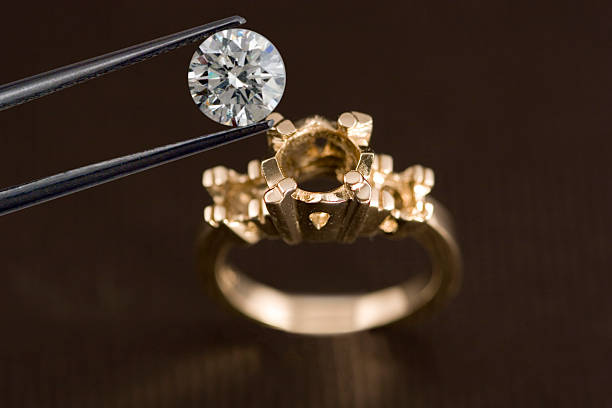
Finding the Perfect Engagement Rings to Match Your Personality
Selecting an engagement ring is a deeply personal decision, one that reflects not only your love story but also your unique personality. With so many styles available, it’s essential to choose a ring that aligns with your individual tastes and lifestyle. Here’s a guide on how to find the perfect engagement ring style that resonates with who you are.
Identify Your Personal Style
- Classic and Timeless: Minimalist outfits, neutral colors, simple silhouettes.
- Vintage-Inspired: Love for retro clothing, antique jewelry, or intricate detailing.
- Modern and Edgy: Sleek lines, geometric shapes, contemporary designs.
- Bohemian and Nature-Loving: Earthy tones, organic shapes, floral motifs.
- Glamorous and Luxurious: Sparkling accents, bold designs, statement-making pieces.
Match Ring Styles to Your Personality
- Ideal for those who appreciate simplicity and elegance.
- Features a single diamond or gemstone as the centerpiece.
-
Best suited for classic personalities who value timeless beauty.
- Perfect for someone who loves a touch of glamour without going overboard.
-
Surrounds the center stone with smaller diamonds or gemstones for added sparkle.
- Symbolizes past, present, and future – perfect for sentimental individuals.
-
Offers versatility in combining different gemstone shapes or colors.
- Features intricate details like milgrain edges or filigree work.
-
Appeals to antique lovers drawn to romantic designs from past eras.
- Incorporates floral patterns or organic curves in its design.
-
Suited for free spirits who connect deeply with nature.
- Clean lines and contemporary aesthetics define this style.
-
A great choice for those who prefer understated yet chic pieces.
- For those with a creative streak looking to craft a truly unique piece.
- Customization lets you incorporate meaningful symbols or elements into the design.
Consider Your Lifestyle
| Lifestyle | Recommended Styles |
|---|---|
| Active/Outdoor | Bezel settings (secure stones) |
| Office Worker | Solitaire rings (professional look) |
| Fashion-Conscious | Halo/Three-stone designs |
An active lifestyle might require more durable materials (like platinum) and secure settings such as bezels over prongs.
Metal Choice Matters
The choice of metal can also enhance how well the ring matches your personality: – Yellow Gold: Warmth and tradition; suits vintage-inspired styles. – Rose Gold: Romantic and feminine; ideal for bohemian tastes. – White Gold/Platinum: Sleek and modern; complements minimalist designs.
Final Tips
When choosing an engagement ring style: – Try on different options to see what resonates most with you in person. – Consider adding subtle personal touches like engravings inside the band. – Don’t hesitate to consult with professional jewelers—they can help match your vision with practical design elements.
By carefully considering these elements—style preference, lifestyle needs, metal choice—you’ll ensure that your engagement ring is as unique as your personality while remaining functional enough for daily wear.
How to Get an Engagement Ring Valuation and Choose a Style That Matches Your Personality
When it comes to selecting an engagement ring, ensuring the style reflects your personality is key. Your ring is a symbol of your love and commitment, but it’s also something you’ll wear every day, so it should resonate with who you are. Here’s how to choose a ring style that aligns perfectly with your unique traits and preferences.
Identify Your Personal Style
Start by evaluating your everyday style and preferences. This can provide valuable insight into the types of rings that might suit you best.
- Classic and Timeless: If you prefer elegant clothing, neutral tones, and minimalistic jewelry, a simple solitaire diamond or a three-stone ring may align with your tastes.
- Bold and Glamorous: For those who love making a statement with bold accessories or vibrant colors, consider halo settings or rings featuring large center stones.
- Vintage Lover: If antiques and timeless pieces appeal to you, vintage-inspired designs with intricate details like milgrain edges or filigree work may be ideal.
- Modern Minimalist: If sleek lines and contemporary shapes dominate your wardrobe, go for clean designs like bezel settings or geometric shapes.
- Free-Spirited: For bohemian souls who value individuality, consider non-traditional gemstones like sapphires or emeralds in nature-inspired settings.
Matching Ring Styles to Lifestyle
| Lifestyle | Recommended Styles |
|---|---|
| Active/Outdoor | Bezel settings or low-profile rings |
| Creative/Artistic | Unique designs with colored stones |
| Professional/Formal | Classic solitaires or channel-set bands |
| Laidback/Casual | Simple bands with small diamonds |
For individuals who work frequently with their hands (e.g., healthcare professionals), opting for sturdy designs can ensure longevity while resisting wear-and-tear.
Consider Symbolism
- Solitaire Rings: Represent simplicity and enduring love.
- Three-Stone Rings: Symbolize past, present, and future in a relationship.
- Eternity Bands: Reflect everlasting commitment due to their continuous row of stones.
Taking time to consider what resonates emotionally can help narrow down options.
Tips for Exploring Options
- Try on different styles at jewelers to see what feels comfortable.
- Seek professional advice from jewelers who specialize in personalized designs.
- Use online tools such as virtual try-ons or quizzes designed to match ring styles to personality traits.
By reflecting on personal preferences in fashion, lifestyle needs, and emotional connections tied to design elements, it’s possible to find an engagement ring that not only represents your love story but also feels authentically “you.”
Everything You Need to Know About Insuring Your Engagement Ring
An engagement ring is not only a significant financial investment but also holds immense sentimental value. To ensure your ring is protected from unexpected circumstances such as loss, theft, or damage, insuring it is an essential step. This guide outlines everything you need to know about engagement ring insurance, helping you make an informed decision.
Why Should You Insure Your Engagement Ring?
- Loss: Accidental misplacement or loss during travel or daily activities.
- Theft: Protection against burglary or theft.
- Damage: Coverage for repair costs if the ring is accidentally damaged.
- Natural Disasters: Safeguarding your investment from events like fire or flooding.
Without insurance, replacing or repairing a lost or damaged engagement ring can be financially burdensome.
Steps to Insure Your Engagement Ring
-
Get an Appraisal
Before purchasing insurance, have your engagement ring appraised by a certified gemologist. The appraisal provides an accurate valuation of the ring based on its cut, color, clarity, carat weight, and current market trends. -
Understand the Types of Insurance
There are two common ways to insure an engagement ring: - Homeowner’s/Renter’s Insurance Rider: Add coverage for your engagement ring as a rider (or endorsement) to your existing homeowner’s or renter’s insurance policy.
-
Standalone Jewelry Insurance Policy: Opt for specialized jewelry insurance that offers more comprehensive coverage tailored to high-value items.
-
Compare Policies
When shopping for policies, compare providers and pay close attention to: - Coverage inclusions (loss, damage, theft)
- Exclusions (wear-and-tear, intentional damage)
- Premium costs and deductibles
- Claims process efficiency
-
Policy limits and replacement terms
-
Keep Documentation Ready
Maintain important documents such as receipts and appraisals in both physical and digital formats. These will be essential if you ever need to file a claim.
Key Questions to Ask Your Insurer
- Does the policy cover partial loss (e.g., missing stones)?
- How are claims handled—cash reimbursement or replacement through specific jewelers?
- Are there geographical limitations on coverage?
- Will appraisal updates be required periodically?
Cost of Insuring an Engagement Ring
| Value of the Ring | Estimated Annual Premium |
|---|---|
| $5,000 | $50–$100 |
| $10,000 | $100–$200 |
| $20,000 | $200–$400 |
Factors influencing premium costs include the location where you live (theft rates), the deductible amount chosen, and the type of policy selected.
Tips for Maintaining Coverage
To ensure continuous protection for your engagement ring: – Update appraisals every 2–3 years since diamond values can fluctuate. – Notify your insurer about changes in ownership or address. – Review policy terms annually to confirm they still meet your needs.
Insuring your engagement ring ensures that this cherished symbol of love remains protected against life’s uncertainties. By taking proactive steps now, you’re safeguarding not just financial investment but priceless memories too.
- How Engagement Ring Valuation Impacts Pricing and Its Importance
- Understanding Engagement Ring Valuation: How Much Should You Spend?
- Top Tips for Finding Stylish and Affordable Engagement Rings
- Diamond Ring Appraisal Guide: Understanding Diamond Prices and True Value
- A Comprehensive Guide to Diamond Ring Appraisal and Choosing the Perfect Engagement Ring
- A Comprehensive Guide for Modern Buyers: How Much Should Engagement Rings Really Cost
- How Much Should an Engagement Ring Really Cost? Breaking Tradition and Budgeting Tips
- A Comprehensive Guide to Engagement Ring Valuation and How Much You Should Spend