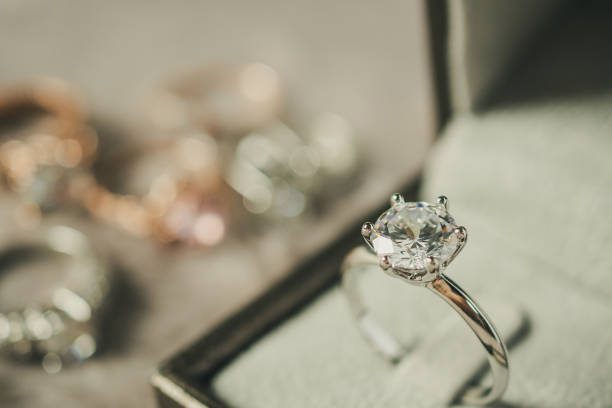
Finding the perfect diamond engagement ring can be a daunting task, especially when balancing style and affordability. However, with the right approach and knowledge of where to shop, this process can become much simpler. Below, we explore some of the best places to find stylish yet budget-friendly diamond engagement rings.
Expert Diamond Ring Appraisal Services Online
- Blue Nile: Known for its wide selection of certified diamonds and customizable settings.
- James Allen: Features 360-degree views of each diamond for a transparent shopping experience.
- Brilliant Earth: Offers ethical and sustainable diamonds, including both natural and lab-grown options.
- Etsy: Perfect for vintage-inspired or handmade engagement rings from independent jewelers.
Shopping online often provides advanced tools like virtual try-ons, price filters, and customer reviews to aid decision-making.
Find Trusted Local Jewelers for Engagement Ring Appraisal
Supporting local jewelers is an excellent way to find unique designs while receiving personalized service. Benefits include:
– Customization opportunities tailored to your preferences.
– The ability to inspect the ring in person before purchase.
– Easier access to after-purchase services like resizing or cleaning.
Many small jewelers also offer flexible payment plans or discounts during sales events.
Major Retail Chains
Large-scale jewelry chains often provide an accessible entry point into diamond buying. Stores like Zales, Kay Jewelers, and Jared offer stylish options across various price ranges. These retailers frequently have special financing offers or discounts during holidays such as Valentine’s Day or Christmas.
| Store | Strengths | Common Price Range |
|---|---|---|
| Zales | Extensive selection | $500 – $5,000 |
| Kay Jewelers | Convenient locations | $600 – $6,000 |
| Jared | High-quality craftsmanship | $1,000 – $10,000 |
Auction Sites and Estate Sales
For couples seeking something truly unique or vintage-inspired at a lower cost than retail prices, auction sites such as eBay and estate sales can be excellent resources. When purchasing from these sources: – Ensure diamonds come with certification (e.g., GIA or AGS reports).
– Ask about the history of the piece (for estate sales).
– Work with reputable sellers that offer return policies.
Wholesale Diamond Dealers
Wholesale dealers cater directly to consumers looking for affordable diamonds by selling at near-cost pricing compared to retail markups. Examples include: 1. Ritani’s “Click-and-Brick” Model: Combines online buying with in-person inspections. 2. Diamond Districts in Major Cities: Areas like New York City’s 47th Street are famous for offering competitive pricing on loose stones and custom settings.
Tips for Saving Money Without Sacrificing Quality
Here are some strategies to maximize your budget while finding a ring that feels luxurious: – Opt for slightly lower carat weights (e.g., 0.9 instead of 1 carat) which are visually similar but significantly cheaper. – Prioritize cut quality over color or clarity—the sparkle will make up for minor imperfections. – Choose alternative metals like white gold instead of platinum. – Consider lab-grown diamonds; they’re often more affordable than natural options but share identical physical properties.
By exploring these avenues thoughtfully, you can find a stunning engagement ring that combines elegance with affordability—making it perfect for celebrating this special milestone responsibly.
How to Get an Accurate Engagement Ring Valuation and Choose the Perfect Diamond
Finding the perfect diamond engagement ring can be an exciting yet overwhelming process, especially when working within a specific budget. By focusing on key factors, prioritizing personal preferences, and exploring creative solutions, it’s possible to find a stunning ring without breaking the bank. Here’s how you can choose the ideal diamond engagement ring for any budget.
1. Understand the 4Cs: Cut, Clarity, Color, and Carat
The 4Cs are critical in determining a diamond’s quality and value. When you’re shopping on a budget, consider which of these aspects matter most to you:
– Cut: The cut has the greatest impact on a diamond’s brilliance. A well-cut diamond can look more impressive even if it’s smaller or has slightly lower clarity or color grades.
– Clarity: Many inclusions or blemishes are microscopic and imperceptible to the naked eye, so opting for diamonds with lower clarity grades (such as VS2 or SI1) can save money without compromising appearance.
– Color: Near-colorless diamonds (grades G-H-I) often appear just as beautiful as colorless ones (D-F) but come at a more affordable price point.
– Carat: Consider choosing a slightly smaller carat weight (e.g., 0.90ct instead of 1ct) to significantly reduce costs while maintaining visual appeal.
Prioritize what’s most important based on your partner’s taste and select trade-offs that fit within your financial limits.
2. Choose Alternative Diamond Shapes
Round diamonds tend to be more expensive due to their popularity and demand. If you’re looking for cost-effective options without sacrificing style, consider alternative shapes such as:
– Oval
– Emerald
– Cushion
– Pear
These shapes not only stand out visually but also offer better value per carat compared to round diamonds.
3. Explore Unique Settings
The setting of an engagement ring plays a big role in its overall look and cost-effectiveness: – Halo settings amplify the appearance of the center stone by surrounding it with smaller diamonds. – Bezel settings secure stones with metal rims, offering durability and elegance. – Cluster designs combine smaller stones into intricate patterns that maximize sparkle without requiring large central diamonds.
These alternatives can deliver visual impact at a fraction of traditional solitaire costs.
4. Consider Alternative Metals
The band material contributes significantly to cost—opting for alternative metals like white gold or sterling silver instead of platinum helps stretch your budget further while maintaining sophistication.
Final Thoughts on Budget-Friendly Engagement Rings
By focusing on priorities like cut quality over carat weight or considering lab-grown options, you can create a meaningful symbol of love that aligns with your financial goals. With thoughtful choices across every aspect—diamond shape, setting design, and metal selection—you’ll discover that beauty doesn’t have to come at an exorbitant price.
Exploring the Growing Trend of Lab-Grown Diamond Engagement Rings
Lab-grown diamond engagement rings have seen a significant rise in popularity over the past decade. As more people prioritize ethical sourcing, sustainability, and affordability, these diamonds present a compelling option for modern couples. Below, we delve into why lab-grown diamonds are becoming a preferred choice and what you should know when considering one for your engagement ring.
What Are Lab-Grown Diamonds?
Lab-grown diamonds are real diamonds created in controlled laboratory settings using advanced technological processes that replicate natural diamond formation. Chemically, physically, and optically identical to mined diamonds, lab-grown options provide the same brilliance without the environmental and ethical concerns associated with traditional mining.
Benefits of Choosing Lab-Grown Diamonds
- Affordability: On average, lab-grown diamonds cost 20-40% less than their mined counterparts. This allows buyers to invest in larger carat weights or higher-quality stones for the same budget.
- Ethical Sourcing: Because they’re created in labs rather than extracted from mines, lab-grown diamonds eliminate concerns about conflict zones and unethical labor practices.
- Eco-Friendliness: Producing lab-grown diamonds has a significantly smaller environmental impact compared to mining operations, which often disturb ecosystems and require extensive energy consumption.
- Customizable Options: Labs can produce custom shapes, sizes, and colors more readily than what is typically available through natural mining.
How Lab-Grown Diamonds Compare to Natural Diamonds
| Feature | Lab-Grown Diamonds | Natural Diamonds |
|---|---|---|
| Composition | Carbon (identical to natural) | Carbon |
| Creation Process | High-pressure/high-temperature (HPHT) or chemical vapor deposition (CVD) | Geological processes over billions of years |
| Cost | Generally more affordable | Typically more expensive |
| Environmental Impact | Minimal | Significant |
| Ethical Concerns | None | Possibility of conflict sourcing |
Addressing Common Misconceptions
- Lack of Authenticity: Many believe that only mined diamonds are “real.” However, labs create genuine diamonds with identical properties.
- Lower Resale Value: While resale value is currently lower for lab-grown stones compared to natural ones, this is changing as they become increasingly mainstream.
- Durability Concerns: Lab-created stones are just as durable as mined ones; both rank at 10 on the Mohs hardness scale.
Who Should Consider Lab-Grown Diamond Rings?
- Couples seeking ethically sourced jewelry.
- Individuals working within tighter budgets but unwilling to compromise on quality or design.
- Environmentally conscious buyers who want sustainable options.
Tips When Shopping for Lab-Grown Diamond Engagement Rings
- Research Certifications: Look for certifications from reputable organizations like IGI (International Gemological Institute) or GIA (Gemological Institute of America).
- Compare Prices: Shop around to find competitive pricing while ensuring quality craftsmanship.
- Prioritize Quality Over Size: Focus on cut and clarity first; even if you’re opting for a larger stone due to lower costs.
Lab-grown diamond engagement rings represent an innovative blend of beauty, ethics, and value—perfectly suited to meet the demands of today’s socially aware consumers without sacrificing luxury or timeless appeal.
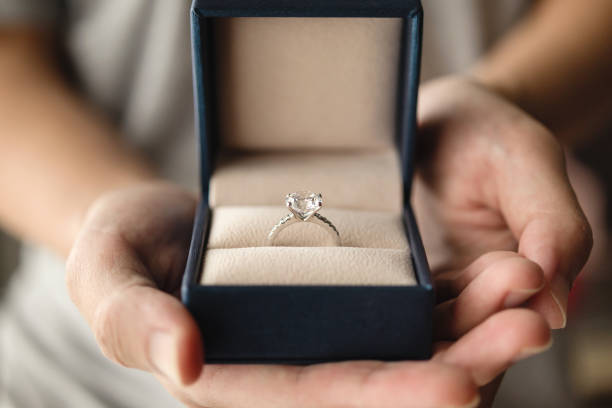
Top Solitaire Diamond Engagement Ring Designs That Capture Timeless Elegance
Solitaire diamond engagement rings have long been a symbol of timeless elegance and sophistication. Known for their simplicity and classic appeal, these designs feature a single, stunning diamond as the focal point, making them an enduring favorite among those seeking to express their love with understated beauty. Here’s an exploration of some of the most iconic and stylish solitaire ring designs that perfectly capture this timeless charm.
Why Choose a Solitaire Engagement Ring?
- Simplicity: The focus is entirely on the diamond, showcasing its brilliance without distractions.
- Versatility: Solitaire rings pair seamlessly with wedding bands or other jewelry pieces.
- Timeless Style: Their classic design ensures they never go out of fashion.
- Customization Options: From band materials to diamond shapes, there’s plenty of room for personalization.
Popular Solitaire Ring Settings
- Features 4 or 6 metal claws holding the diamond securely in place.
- Maximizes light exposure to enhance sparkle.
-
Offers a clean and minimalistic look.
- Encircles the diamond with a thin metal rim to keep it secure.
- Provides a modern appearance while offering excellent durability.
-
Ideal for individuals with active lifestyles.
- Mimics the arches of a cathedral by raising the diamond above the band.
-
Adds subtle elegance while making the stone appear larger.
- Uses pressure from the band to hold the diamond in place.
- Creates an illusion that the stone is floating.
-
A contemporary choice that highlights creativity in design.
- The diamond sits level with the surface of the band.
- Perfect for those seeking a sleek, minimalist aesthetic.
Diamond Shapes That Shine in Solitaire Designs
| Diamond Shape | Key Features | Best Suited For |
|---|---|---|
| Round Brilliant | Maximum brilliance and fire | Traditional elegance |
| Oval | Elongates fingers; modern yet classic | Contemporary taste |
| Princess | Square shape; sharp corners | Bold personalities |
| Emerald | Step-cut facets highlight clarity | Lovers of vintage-inspired jewelry |
| Pear | Teardrop shape; combines round & marquise features | Unique and romantic styles |
Tips for Enhancing Timeless Elegance
- Opt for precious metals like platinum or gold (white gold complements diamonds beautifully).
- Consider adding hidden details such as intricate engravings or accent stones on the band.
- Pair your solitaire ring with complementary wedding bands such as eternity bands or plain metal bands.
By selecting designs that prioritize both quality craftsmanship and simplicity, you ensure that your solitaire engagement ring will remain elegant through every generation—a true testament to everlasting love.
Expert Tips for Picking the Ideal Cut, Clarity, and Style in a Diamond Engagement Ring
Choosing a diamond engagement ring can be an exciting yet overwhelming experience due to the multitude of options available. Understanding the essential aspects of cut, clarity, and style can help you make an informed decision. Below are expert tips to guide you through selecting the perfect diamond engagement ring.
The Importance of Cut: Bringing Out the Sparkle
- Excellent/Ideal Cut: Maximizes sparkle and light reflection.
- Very Good Cut: Offers superb brilliance but at a slightly lower cost than ideal cuts.
- Good/Fair Cut: More affordable but less radiant, suitable for those on tighter budgets or prioritizing size over brilliance.
- Proportions: Look for diamonds with well-balanced depth and table percentages (e.g., 58%-62% depth for round diamonds). Proportions significantly impact light performance.
Clarity: Balancing Purity and Value
Clarity grades assess the presence of inclusions (internal imperfections) or blemishes (surface imperfections). Most inclusions are invisible to the naked eye, so you can prioritize wisely without overspending on perfection.
- Clarity Grades: | Grade | Description | Best Use | |—————|——————————————–|————————————————| | Flawless (FL) | No inclusions or blemishes under magnification | Rare and expensive; ideal for perfectionists | | VVS1/VVS2 | Very, very slight inclusions | Great balance of quality and value | | VS1/VS2 | Very slight inclusions; hard to spot with naked eye | Excellent choice for most buyers | | SI1/SI2 | Slight inclusions visible under magnification; sometimes visible without magnification | Budget-friendly option |
Tip: For rings where the center stone is prominently displayed (like solitaires), prioritize clarity slightly higher if your budget allows.
Choosing a Style That Reflects Individual Taste
The style of a diamond engagement ring should align with personal preferences while complementing daily wearability.
-
- Solitaire: Timeless simplicity featuring one central stone.
- Three-Stone Rings: Symbolic design representing past, present, and future.
- Pavé Settings: Diamonds embedded into the band for extra sparkle.
-
- Halo Designs: A central diamond surrounded by smaller ones, maximizing radiance.
- Rose Gold Bands: Warm-toned metal gaining popularity among contemporary buyers.
- East-West Settings: Unique orientation placing the diamond horizontally along the band.
-
- Active individuals may prefer low-profile designs that minimize snags or damage risks.
- Those who frequently wear jewelry might opt for durable metals like platinum or gold alloy blends.
Combining Quality With Affordability
- Prioritize cut over carat weight if sparkle is more desirable than size.
- Opt for near-colorless diamonds in G-H color grades instead of D-F; they appear just as white but cost significantly less.
- Consider lab-grown diamonds as they offer similar quality at a fraction of natural diamonds’ price.
By understanding these factors—cut brilliance, clarity value, and style preferences—you’ll be well-equipped to select an engagement ring that’s both beautiful and meaningful without breaking your budget.
- How Engagement Ring Valuation Impacts Pricing and Its Importance
- Understanding Engagement Ring Valuation: How Much Should You Spend?
- Top Tips for Finding Stylish and Affordable Engagement Rings
- Diamond Ring Appraisal Guide: Understanding Diamond Prices and True Value
- A Comprehensive Guide to Diamond Ring Appraisal and Choosing the Perfect Engagement Ring
- A Comprehensive Guide for Modern Buyers: How Much Should Engagement Rings Really Cost
- How Much Should an Engagement Ring Really Cost? Breaking Tradition and Budgeting Tips
- A Comprehensive Guide to Engagement Ring Valuation and How Much You Should Spend